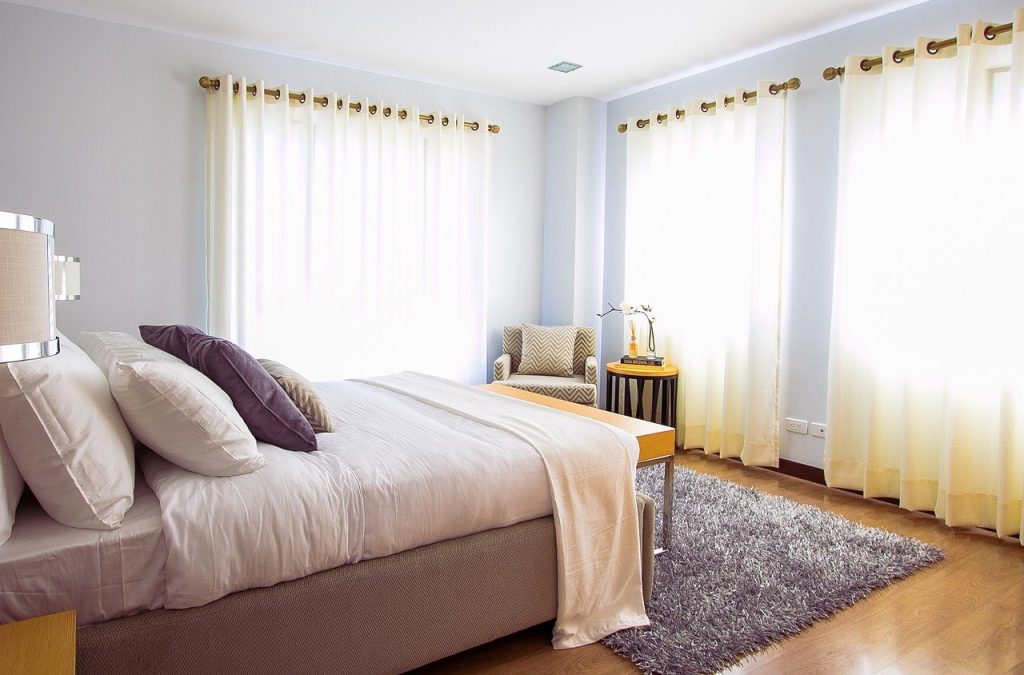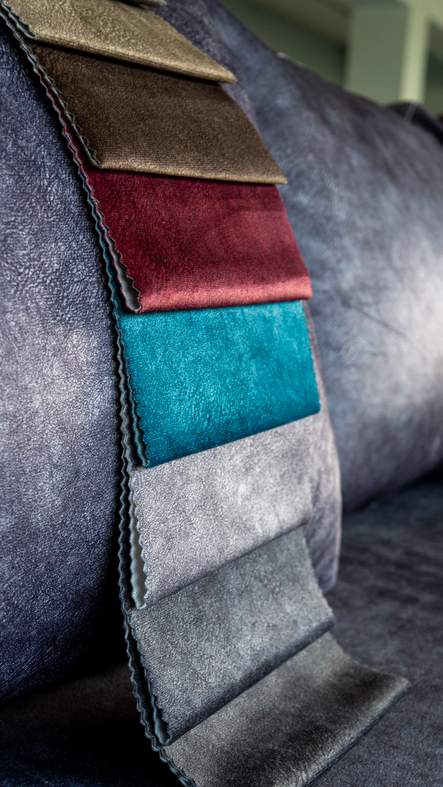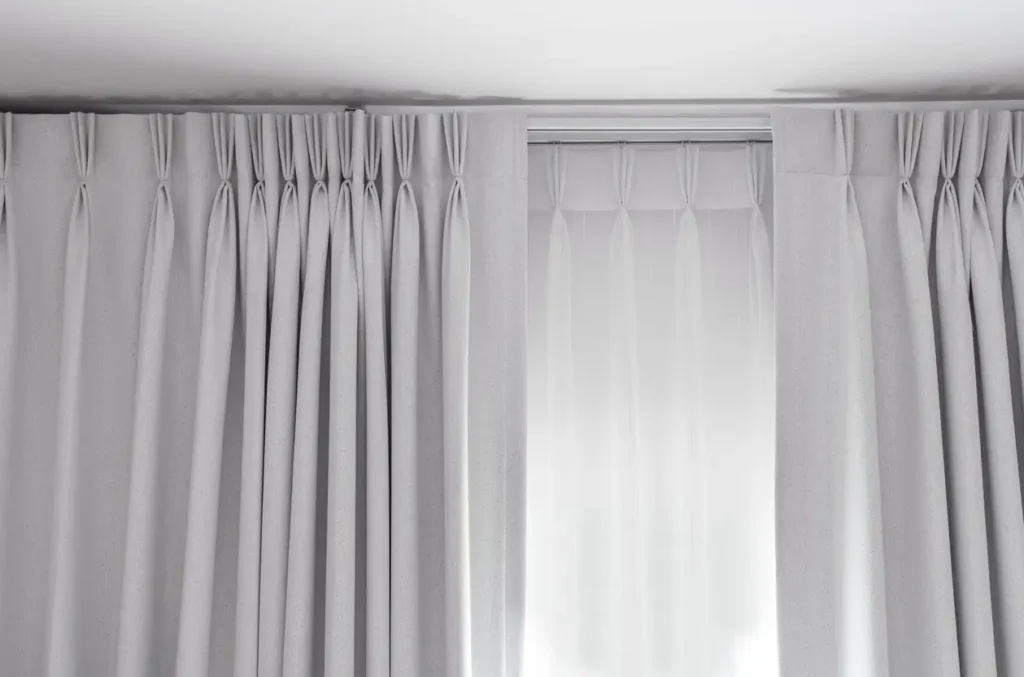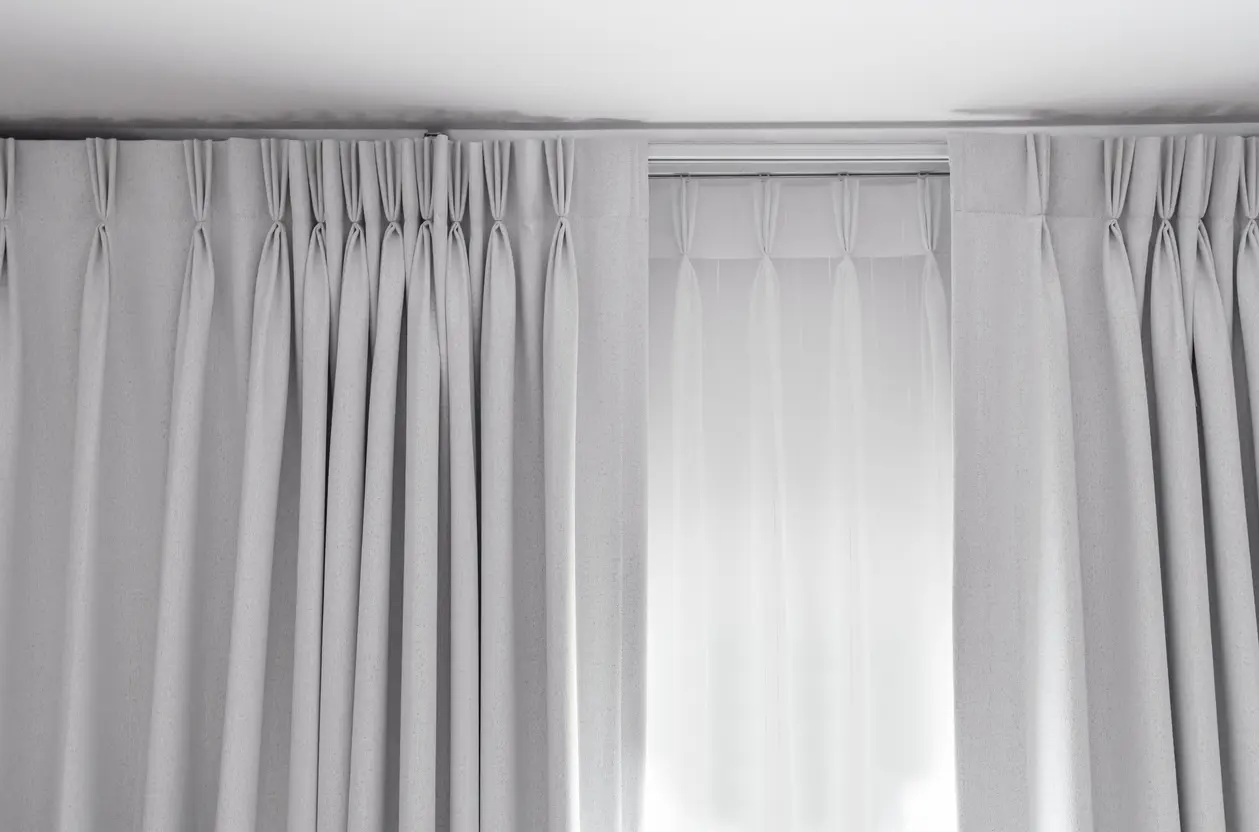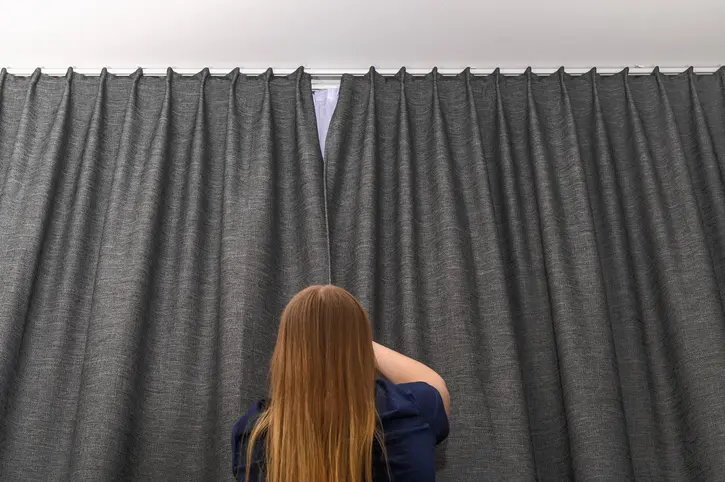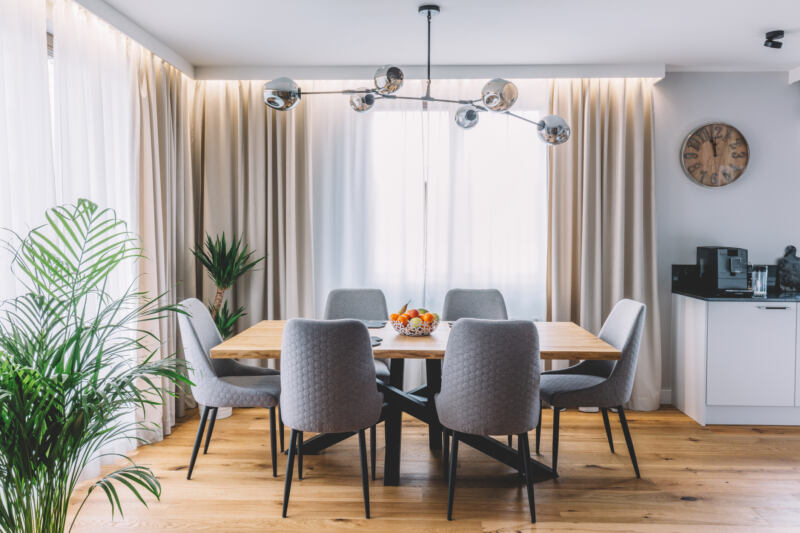
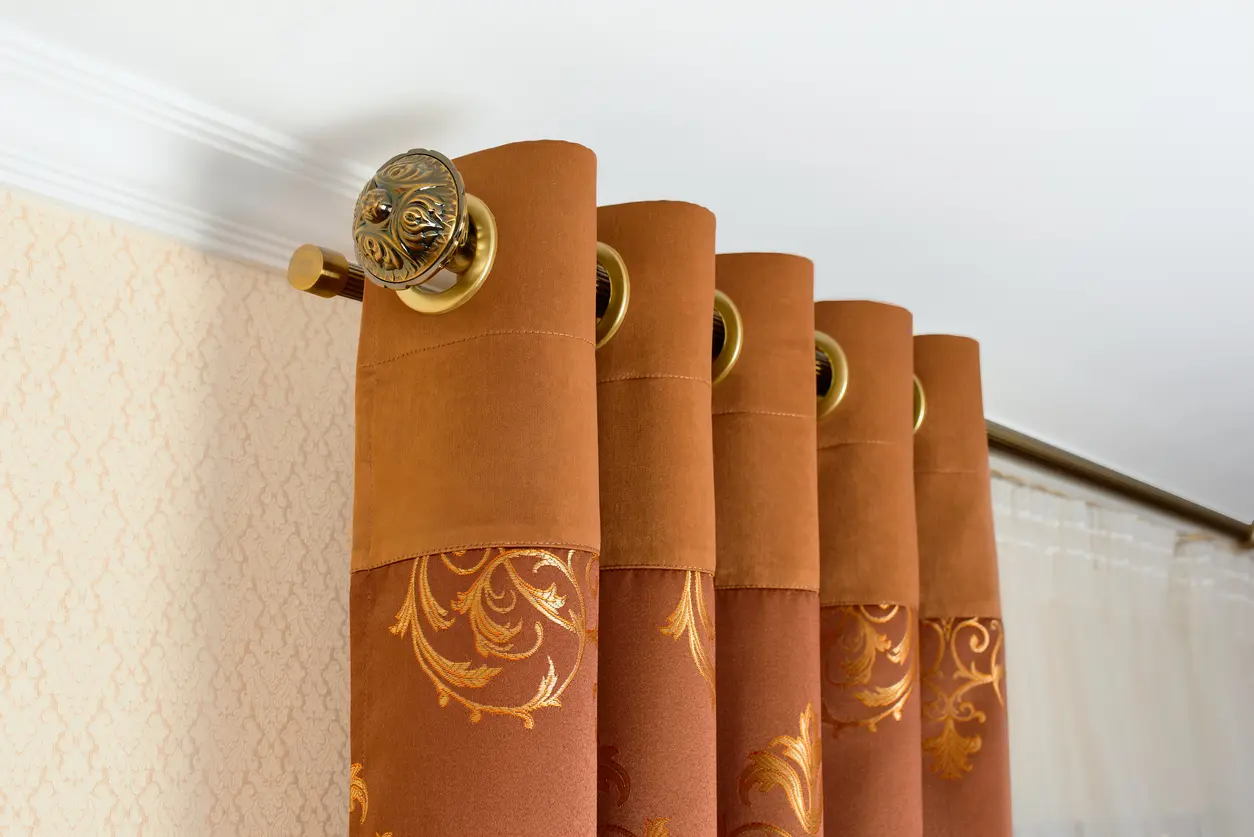
The fabrics that work best for luxury curtains are those that combine beautiful texture, elegant drape, practical performance and a finish that suits the room. Velvet, linen, silk blends, wool blends, textured weaves and high-quality sheers can all work well, depending on the space, the desired atmosphere and how the curtains need to function.
Luxury curtains are not defined by one fabric alone. A heavy velvet can feel rich and dramatic in a formal sitting room, while a soft linen blend can feel relaxed and refined in a calm bedroom. A sheer fabric can add gentle movement and privacy in a bright living space, while a lined or interlined curtain can bring warmth, structure and a more substantial finish.
The best fabric choice depends on more than appearance. You need to consider light levels, privacy, window size, room use, interior style, maintenance and the way the fabric hangs. A luxury curtain should look elegant when closed, sit beautifully when open and feel appropriate to the room throughout the day.
What Makes a Curtain Fabric Feel Luxurious?
A curtain fabric feels luxurious when it has depth, weight, texture and a sense of quality. This does not always mean it has to be heavy, shiny or expensive-looking. Luxury can also be quiet and understated. A softly woven neutral fabric can feel just as refined as a dramatic velvet if it suits the room well.
Drape is one of the most important qualities. The way a fabric falls affects the entire look of the curtain. Some fabrics hang in soft, relaxed folds. Others create a more structured and formal appearance. A fabric that drapes well will usually look more elegant than one that feels stiff, thin or uneven.
Texture also matters. Flat fabrics can work in minimal interiors, but luxury curtains often benefit from subtle surface interest. A woven finish, brushed texture, slub, herringbone detail or soft sheen can add depth without making the room feel busy.
Colour depth is another sign of quality. Better fabrics often hold colour in a more nuanced way. A warm ivory, muted taupe, deep green or soft charcoal may have more richness than a basic flat tone. This helps the curtains work with different daylight conditions and gives the room a more layered feel.
Velvet Curtains
Velvet is one of the most popular fabrics for luxury curtains because it has weight, softness and visual depth. It catches light beautifully and can make a room feel warmer, more intimate and more refined.
Velvet works particularly well in bedrooms, formal living rooms, dining rooms and snug spaces. It can create a sense of comfort and enclosure, especially when used in deeper colours such as navy, forest green, plum, chocolate, charcoal or warm neutrals.
One of the benefits of velvet is its ability to add softness to rooms with hard surfaces. If a space has timber flooring, stone, glass, metal or minimal furniture, velvet curtains can introduce warmth and balance. They can also help a large room feel more inviting.
However, velvet is not always the right choice. In a small room with limited light, very dark velvet may feel too heavy. In a relaxed coastal or natural interior, it may feel too formal. Velvet also needs to be handled carefully because the pile can mark, crush or reflect light differently depending on direction.
For a truly refined finish, velvet curtains are often lined or interlined. This improves the drape, protects the fabric and gives the curtains a more substantial feel.
Linen and Linen Blend Curtains
Linen is a beautiful choice for luxury curtains when the aim is relaxed elegance. It has a natural texture, soft movement and an understated quality that works well in calm, design-led interiors.
Pure linen can crease easily, which is part of its character but not always suitable for every home. Linen blends are often more practical because they retain the natural look while improving stability, durability and ease of care. A linen blend may include cotton, viscose, polyester or other fibres to help the curtain hang more consistently.
Linen and linen blends work particularly well in bedrooms, living rooms, garden rooms and open-plan spaces. They suit neutral palettes, warm whites, soft greys, stone tones, muted greens and natural textures. They can also work well with timber, rattan, wool rugs and layered soft furnishings.
A lighter linen curtain can filter daylight beautifully, creating a calm and airy feel. For more privacy or better insulation, linen curtains can be lined. This gives them more weight while preserving the relaxed texture.
Linen is ideal when you want curtains to feel elegant without looking overly formal. It creates a lived-in, considered style that suits many modern UK homes.
Silk and Silk Blend Curtains
Silk has long been associated with luxury curtains because of its natural sheen, softness and richness. It can look especially elegant in formal spaces, bedrooms and decorative interiors where a more polished finish is desired.
However, pure silk can be delicate. It is sensitive to sunlight and may fade or weaken if exposed for long periods. For this reason, silk curtains usually need good lining and, in some cases, interlining. They may also be better suited to rooms where strong direct sunlight is less of a concern.
Silk blends can be more practical than pure silk. They can offer some of the sheen and elegance of silk while improving durability and reducing maintenance concerns. Faux silk can also provide a similar visual effect at a more accessible level, although quality varies significantly.
Silk and silk-look fabrics work well in more formal interiors, classic bedrooms, dining rooms and spaces where the curtains are intended to be a statement feature. They can be particularly effective in soft champagne, pearl, bronze, sage, dusky pink, deep blue or warm neutral tones.
The key with silk is restraint. Too much shine can look dated or overly decorative if not balanced carefully. A subtle silk blend with the right lining can feel elegant, calm and timeless.
Wool and Wool Blend Curtains
Wool and wool blend fabrics are excellent for luxury curtains where warmth, softness and structure are important. Wool has a naturally comforting feel and can help create a quieter, more grounded interior.
Wool curtains work well in bedrooms, studies, sitting rooms and period homes. They can also suit contemporary interiors where texture is more important than pattern. A wool blend in a soft grey, oatmeal, clay or muted green can create a beautifully tailored look without feeling heavy.
One of the strengths of wool is its drape. It often hangs well and creates clean, elegant folds. It also has a natural matte finish, which can be useful if you want a more understated style rather than shine.
Wool blends can be more stable and practical than pure wool, particularly for large curtains. They may be blended with synthetic fibres to improve durability and reduce movement. As with other natural fabrics, lining is important to protect the material and improve the finished appearance.
Wool is a strong choice when you want luxury curtains that feel calm, warm and quietly sophisticated.
Cotton and Cotton Blend Curtains
Cotton is a versatile fabric for curtains and can work well in luxury interiors when the quality, weave and finish are carefully chosen. It can feel crisp, soft, casual or structured depending on the fabric.
Cotton blends are often used because they can offer improved durability and less creasing than pure cotton. They can also hold printed patterns well, making them suitable for decorative curtains in bedrooms, children’s rooms, living spaces and guest rooms.
A high-quality cotton fabric can suit both classic and modern interiors. Plain cotton blends can feel clean and understated, while patterned cottons can add personality. The success depends on the scale of the pattern, the heading style and how the curtains relate to the rest of the room.
Cotton may not always feel as luxurious as velvet, silk or wool, but it can be very effective in the right setting. It is particularly useful where a fresh, elegant and practical look is needed.
For luxury curtains, cotton is often improved by lining. This gives it more body, improves how it hangs and helps protect the face fabric from sun damage.
Sheer Curtain Fabrics
Sheer fabrics are ideal for creating softness, privacy and gentle light diffusion. They are often used alongside heavier curtains or blinds, but they can also work as a main window treatment in rooms where privacy is needed without blocking daylight.
Sheers can be made from voile, linen-look fabric, fine polyester blends or other lightweight textiles. The most luxurious sheers tend to have a soft handle, subtle texture and elegant movement. They should not look harsh, shiny or overly synthetic.
Sheer curtains work beautifully in living rooms, bedrooms, dining spaces and large windows overlooking gardens. They can soften the view, reduce glare and make a room feel more layered. In urban homes, they can provide daytime privacy while still allowing light into the room.
They are particularly effective in neutral interiors because they add movement without introducing heavy colour. Soft white, warm ivory, stone and pale grey sheers can all create a calm, refined effect.
The main limitation is that sheers do not usually provide full privacy at night when lights are on inside. For this reason, they are often layered with lined curtains, blinds or shutters.
Textured Weaves and Performance Fabrics
Textured woven fabrics are a strong option for luxury curtains because they offer depth without relying on bold pattern. These fabrics may include subtle herringbone, bouclé-style texture, slub, basketweave or fine ribbed finishes.
They work well in modern interiors, neutral schemes and rooms where the curtains need to add interest without dominating the design. A textured weave can make a plain colour feel more sophisticated and prevent the room from looking flat.
Performance fabrics can also be useful, especially in busy households. Some modern curtain fabrics are designed to resist fading, handle daily use better or provide improved stability. These can be especially helpful for sunny rooms, family living spaces or rental properties where durability matters.
Luxury does not always mean delicate. In many homes, the best fabric is one that looks refined but performs well over time. A high-quality woven or performance fabric can offer the right balance of beauty and practicality.
How Curtain Linings Affect Fabric Choice
Lining can dramatically change how curtain fabric looks and performs. It adds body, protects the face fabric and improves the way curtains hang. In many luxury curtain schemes, the lining is just as important as the main fabric.
Standard lining can provide a cleaner finish and help protect the fabric from sunlight. Blackout lining can reduce light, making it useful for bedrooms, nurseries and media rooms. Thermal lining can add an extra layer at the window, helping the room feel more comfortable. Interlining adds thickness and softness, creating a fuller and more luxurious drape.
Interlined curtains are often associated with high-end interiors because they feel more substantial. They can make fabrics such as silk, linen and velvet hang beautifully. They also help curtains look more generous when drawn.
The right lining depends on the room. A bedroom may need blackout lining, while a formal sitting room may benefit from interlining. A sunny room may need protective lining to reduce fading. A lighter living space may only need a standard lining to improve drape and privacy.
Choosing Fabric by Room
Different rooms need different curtain fabrics. A fabric that works beautifully in a formal dining room may not be practical for a kitchen or child’s bedroom.
In bedrooms, comfort and light control are usually key. Velvet, linen blends, wool blends and lined cottons can all work well. Blackout lining may be useful if the room needs to feel darker and more restful.
In living rooms, the fabric should support the mood of the space. Velvet can create a rich and cosy feel. Linen blends offer relaxed elegance. Textured weaves work well in contemporary schemes. Sheers can be layered for softness and daytime privacy.
In dining rooms, a more decorative fabric may be appropriate. Silk blends, velvet or patterned woven fabrics can create a sense of occasion. The fabric should still work with the furniture, lighting and wall colour.
In home offices, glare control and a calm appearance are important. A simple lined fabric, textured weave or layered sheer can help create a comfortable working environment without feeling too heavy.
In children’s rooms or busy family spaces, durability and practicality matter. Cotton blends, performance fabrics and washable or more robust materials may be better than delicate silk or heavily textured fabrics.
Should You Choose Plain or Patterned Fabric?
Plain fabrics are often the safest choice for luxury curtains because they are timeless, versatile and easy to layer with other interior elements. However, plain does not have to mean boring. Texture, weave, colour depth and lining can all add interest.
Patterned fabrics can work beautifully when used carefully. They can add personality, frame a view or connect colours from across the room. A botanical print, geometric design, stripe or subtle motif can elevate a space when the scale is right.
The decision depends on the room’s existing features. If the room already has patterned wallpaper, a bold rug or colourful upholstery, plain curtains may create balance. If the room is very simple, patterned curtains can provide a focal point.
Large patterns usually need enough space to be appreciated. Small patterns can feel softer and more traditional. Vertical stripes can add height, while organic patterns can make a room feel more relaxed.
For luxury interiors, the pattern should feel intentional. It should connect with the rest of the scheme rather than compete for attention.
How to Choose the Right Colour
Colour is just as important as fabric type. Curtain colour affects the mood of the whole room because curtains cover a large vertical surface.
For a calm and cohesive look, choose a colour close to the wall tone. This helps the curtains blend into the room and can make the space feel larger. Warm neutrals, soft greys, taupe, stone and off-white shades are popular for this reason.
For a more dramatic effect, choose a deeper or contrasting colour. Navy, deep green, rust, charcoal or chocolate can create a strong design statement. These colours work particularly well with velvet or wool blend fabrics.
Curtains can also be used to link colours already present in the room. For example, a fabric might pick up a tone from a rug, headboard, cushion, artwork or timber finish. This helps the scheme feel connected.
It is always worth viewing fabric samples in the room. Natural and artificial light can change the appearance of colour significantly. A fabric that looks beige in a showroom may appear grey, yellow or pink depending on the room’s lighting.
Frequently Asked Questions
What is the most luxurious fabric for curtains?
Velvet, silk and wool blends are often considered among the most luxurious curtain fabrics. However, the best choice depends on the room. A beautifully lined linen blend or textured weave can feel just as refined in a relaxed interior.
Are linen curtains suitable for bedrooms?
Yes, linen curtains can work well in bedrooms, especially when lined or interlined. They create a calm, natural look and can be paired with blackout lining if stronger light control is needed.
Do luxury curtains need lining?
Most luxury curtains benefit from lining because it improves drape, protects the fabric and creates a more finished appearance. Blackout, thermal or interlining may be chosen depending on the room’s needs.
Are sheer curtains practical?
Sheer curtains are practical for softening daylight and improving daytime privacy, but they do not usually provide full privacy at night. They work best when layered with blinds or heavier curtains.
Should curtain fabric match the sofa?
Curtain fabric does not need to match the sofa exactly. It should coordinate with the overall scheme. This might mean echoing a colour, complementing a texture or creating contrast in a balanced way.
Summary
The best fabrics for luxury curtains depend on the atmosphere you want to create and how the room needs to function. Velvet adds richness and warmth, linen blends create relaxed elegance, silk blends bring polish, wool offers quiet sophistication, and sheers provide softness and light diffusion.
Lining, colour, texture and drape are just as important as the fabric itself. A well-chosen curtain should feel beautiful, practical and connected to the wider interior scheme. It should frame the window naturally, improve comfort and give the room a more complete, considered finish.
For tailored guidance on luxury curtains, fabrics, blinds and bespoke interior finishes, Zenn Interiors can help you choose curtain fabrics that suit your home, your room and your personal style.
Phone: 020 7871 3082
Email: zenninteriors@gmail.com
Find out more: https://zenninteriors.co.uk/