You should choose tailor made loose covers instead of fixed covers when you want flexibility, easier maintenance, seasonal changes or a more relaxed interior style. Loose covers are made to fit over existing furniture and can usually be removed, cleaned or replaced more easily than fixed upholstery. They are particularly useful for sofas, armchairs, dining chairs and occasional seating in busy homes.
Fixed covers, or fixed upholstery, are attached permanently to the furniture frame. They create a neat, tailored and structured appearance, but they are not designed to be removed regularly. Loose covers offer a different type of practicality. They can protect furniture, refresh a room, soften the look of a piece and make everyday living easier.
The right choice depends on how the furniture is used, the condition of the existing piece, the look you want and how much maintenance flexibility you need. Loose covers are not always the best solution for every item, but when they are designed and fitted well, they can be both practical and elegant.
What Are Tailor Made Loose Covers?
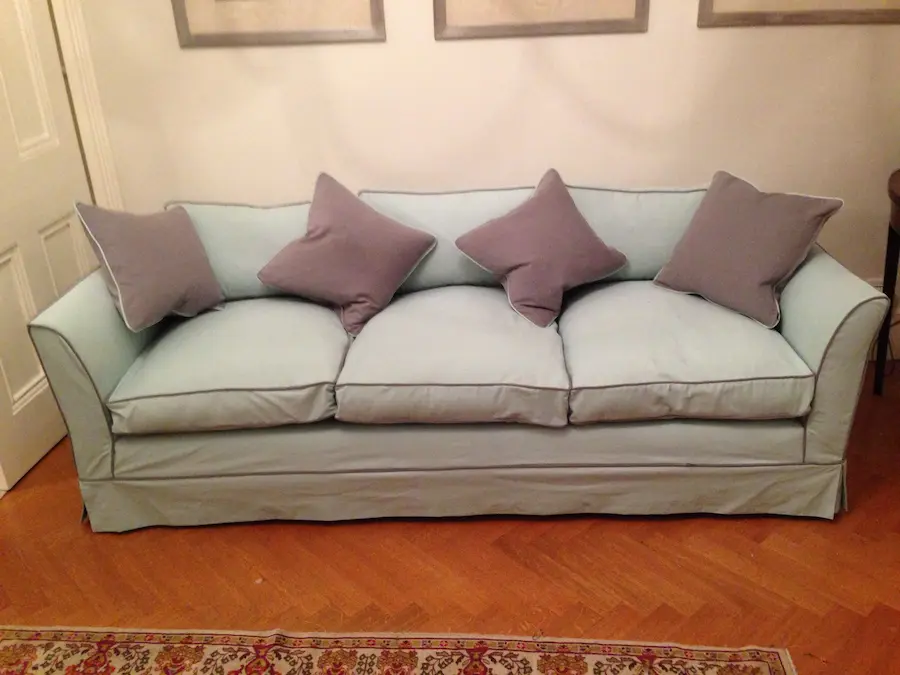
Tailor made loose covers are removable fabric covers designed specifically for a piece of furniture. Unlike generic slipcovers, they are measured and made to suit the shape, size and proportions of the individual sofa, chair, footstool or seat.
A well-made loose cover should follow the lines of the furniture while still being removable. It may include separate cushion covers, fitted arms, skirted sections, piping, pleats, ties or zip details depending on the style required.
The purpose is not simply to hide old furniture. Tailor made loose covers can refresh a piece while preserving its comfort and shape. They can make a sofa feel softer and more relaxed, help a chair work with a new colour scheme or protect upholstery from everyday wear.
Loose covers can be made in many fabrics, including cotton blends, linen blends, washable fabrics, textured weaves and more durable performance materials. The choice of fabric affects both the look and the practicality of the cover.
How Are Loose Covers Different From Fixed Covers?
The main difference is removability. Fixed covers are upholstered directly onto the furniture. Loose covers are designed to come off.
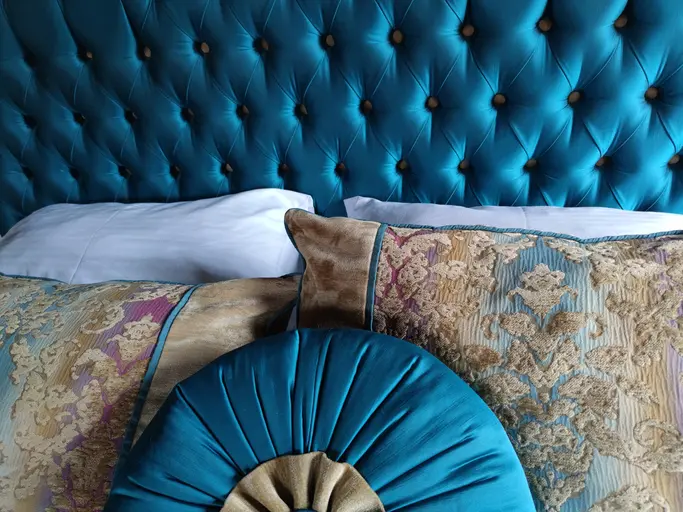
Fixed upholstery usually gives a more structured and permanent finish. It can work beautifully for formal sofas, statement armchairs, upholstered headboards and pieces where a crisp shape is important. Because the fabric is fixed in place, the lines can be tighter and more controlled.
Loose covers offer more flexibility. They can be removed for cleaning, changed when the room scheme changes or replaced without fully reupholstering the item. They often create a softer, more relaxed look, although they can still be very tailored when made properly.
Loose covers may suit interiors where the furniture is used heavily, while fixed covers may suit pieces where a more polished finish is the priority. Neither is automatically better. They simply solve different problems.
When Are Loose Covers the Better Choice?
Loose covers are often the better choice when furniture needs to work hard in everyday life. If a sofa is used by children, pets, guests or the whole family, removable covers can make maintenance less stressful.
They are also useful when you want to protect existing upholstery. For example, a good quality sofa may still be comfortable and structurally sound, but the fabric may need protection from marks, fading or daily wear. A loose cover can extend its useful life without committing to a full reupholstery project.
Loose covers are also helpful when you like to change the feel of a room. A lighter fabric can make a room feel fresher in spring and summer, while a heavier or warmer tone can create a cosier look in autumn and winter. Not every home needs seasonal covers, but the option can be valuable in interiors where flexibility matters.
Loose covers may be the right choice if:
- The furniture is used every day
- Covers need to be removable for cleaning
- Children or pets use the room
- You want to protect existing upholstery
- The furniture is comfortable but looks dated
- You prefer a softer, more relaxed style
- You may want to change colour or fabric later
- You want an update without full reupholstery
When Are Fixed Covers the Better Choice?
Fixed covers may be better when you want a more permanent, structured and refined finish. They are often best for furniture with a distinctive shape, deep buttoning, curved frames or details that need the fabric to be tightly fitted.
Fixed upholstery may also be better for formal rooms, statement chairs or pieces where crisp lines are important. A tailored armchair in fixed upholstery can look elegant and precise, while a loose cover may soften the shape.
If the furniture needs internal repair, fixed reupholstery may also be more suitable. Loose covers can improve the appearance of a piece, but they do not repair worn springs, collapsed cushions, damaged webbing or a weak frame. If the furniture is uncomfortable or structurally poor, the issue needs to be addressed before considering new covers.
Fixed covers may be the better choice if:
- The furniture needs structural upholstery work
- You want a crisp, permanent finish
- The piece has detailed shaping
- The room is formal or highly tailored
- The existing upholstery is beyond saving
- The furniture will not need regular cleaning
- You want a fully renewed finish rather than a removable layer
Are Loose Covers Good for Sofas?
Loose covers can be an excellent choice for sofas, especially in family living rooms, snug rooms, holiday homes and relaxed interiors. Sofas are often the hardest-working pieces in a home, so the ability to remove covers can be very useful.
A tailor made loose cover can refresh a sofa without replacing it. This is especially helpful if the sofa is still comfortable, fits the room well and has a strong frame. Instead of buying a new sofa, a loose cover can give the existing piece a different look.
Loose covers can also help with practical concerns. In homes where people eat, relax, watch television or spend long periods on the sofa, marks and wear are more likely. Removable covers can make the furniture feel easier to live with.
The key is fit. A poorly fitted loose cover can look baggy and untidy. A tailor made cover should be shaped to the sofa, with careful attention to cushion size, arm shape, back height and fabric movement.
Are Loose Covers Good for Armchairs?
Loose covers can work very well for armchairs, particularly when the chair has a simple shape and is used regularly. They can soften the look of a chair, update an old fabric or help a single piece fit into a new room scheme.
An armchair with sentimental value may be a good candidate for a loose cover if the structure and comfort are still good. The cover can refresh the appearance while allowing the original upholstery to remain underneath.
Loose covers can also be useful for occasional chairs that move between rooms. A neutral cover can make a chair more versatile, while a patterned or textured cover can turn it into a feature.
However, very sculptural chairs, buttoned chairs or chairs with complex upholstery details may be better suited to fixed reupholstery. Loose covers need enough structure to sit well, but not so much complexity that the cover cannot follow the shape cleanly.
How Loose Covers Help With Cleaning and Maintenance
One of the main reasons people choose loose covers is maintenance. Removable covers are often easier to manage than fixed upholstery, especially in busy homes.
Depending on the fabric and construction, some loose covers may be washable, while others may need professional cleaning. It is important to choose fabric with care and follow the correct cleaning guidance. Not every removable cover can simply go into a domestic washing machine.
The advantage is access. If a fixed upholstered sofa is marked, cleaning usually has to happen in place. With loose covers, individual cushion covers or the main cover may be removed and treated more easily.
Loose covers can also help protect furniture from everyday wear. They act as a layer over the original upholstery, reducing direct contact with the fabric underneath. This can be useful for treasured furniture, pale upholstery or pieces used in family spaces.
How Loose Covers Can Change the Style of a Room
Loose covers can have a strong design impact. They can make furniture feel lighter, softer, more relaxed or more coordinated with the rest of the room.
For example, a dark sofa may feel too heavy in a newly decorated neutral sitting room. A light linen-look loose cover can soften its appearance and make the room feel calmer. An old patterned chair may feel disconnected from new curtains or blinds. A tailored loose cover in a complementary fabric can bring it back into the scheme.
Loose covers can also create a relaxed country, coastal or informal look. Skirted loose covers, natural fabrics and soft folds can make a room feel comfortable and lived in. More tailored loose covers with neat seams and piping can feel smarter while still offering removability.
The style depends on the fabric, fit and details. Loose covers do not have to look casual, but they often feel softer than fixed upholstery.
Choosing Fabric for Tailor Made Loose Covers
Fabric choice is essential because loose covers need to look good and perform well. The fabric must be suitable for the shape of the furniture and the level of use it receives.
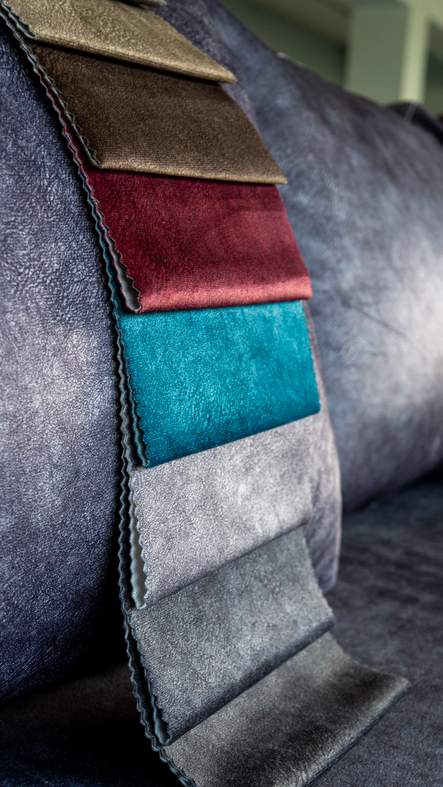
Linen blends are popular for relaxed interiors because they offer texture and softness. Cotton blends can feel fresh and practical. Textured weaves can be forgiving and durable. Performance fabrics may be useful in family homes or spaces where cleaning and wear are key concerns.
Very lightweight fabrics may not sit well on larger furniture because they can crease, move or look thin. Very heavy fabrics may be difficult to remove, clean or shape neatly. A medium-weight fabric is often a good starting point for loose covers.
When choosing fabric, consider:
- How often the furniture is used
- Whether children or pets use the room
- Whether the cover needs to be washable
- How much sunlight reaches the furniture
- Whether the room style is relaxed or tailored
- How the fabric coordinates with curtains, blinds and cushions
- Whether marks need to be disguised
A fabric sample should be viewed in the room before making a final decision. Colour, texture and weight can all look different once placed beside existing furniture and soft furnishings.
Should Loose Covers Be Plain or Patterned?
Plain loose covers are versatile and often easier to live with. They can make a room feel calmer and allow cushions, curtains, artwork or rugs to provide pattern. Neutral tones such as stone, oatmeal, ivory, taupe, warm grey and soft green are especially useful.
Patterned loose covers can work well when the furniture is intended to become a feature. They may suit occasional chairs, small sofas or rooms with a more layered decorative style. Stripes, checks, florals and subtle prints can all work if they suit the shape of the furniture.
Pattern needs careful planning because loose covers include seams, cushions and folds. A large pattern may need matching across sections, which can affect fabric quantity and cost. Small patterns may be easier to use but can create a busier look across a large sofa.
A good compromise is to use a plain loose cover and introduce pattern through cushions or a throw. This keeps the main piece flexible while still allowing personality.
Can Loose Covers Look Tailored?
Yes, loose covers can look tailored when they are properly measured and made. The word “loose” does not have to mean baggy or careless. A tailor made loose cover should sit neatly while still being removable.
Details make a big difference. Piping can define the shape of cushions and arms. Pleats can help fabric sit well around corners. A carefully planned skirt can soften the base of a sofa or chair. Zips, ties or fastenings can help the cover stay in place.
The level of tailoring depends on the desired style. Some people want a relaxed, slightly informal cover with natural folds. Others want a closer fit that looks almost like fixed upholstery. Both can work if the design is intentional.
A well-made loose cover should feel appropriate to the room. It should not look like a temporary solution unless that is the desired casual style.
Loose Covers for Seasonal Interiors
Loose covers are useful if you like to change your interior style with the seasons. A pale, washable cover can make a sitting room feel fresher in warmer months, while a richer or more textured cover can make the same room feel cosier in winter.
This approach is not necessary for every home, but it can work well in rooms where the mood changes throughout the year. It may also be useful for holiday properties, guest rooms or homes where furniture needs to adapt for different occasions.
Seasonal loose covers can also protect more delicate upholstery. For example, a lighter cover might protect a sofa during busy family periods, while the original upholstery is revealed for quieter occasions.
The key is storage and practicality. Additional covers need to be stored carefully and cleaned correctly. If you want multiple sets, fabric choice and maintenance should be considered from the start.
Loose Covers for Homes With Children and Pets
Homes with children and pets often need furniture that is easier to live with. Loose covers can be a practical solution because they provide a removable layer over sofas and chairs.
They can help reduce worry about everyday marks, muddy paws, spills or general wear. This does not mean the covers are indestructible, but they can make maintenance more manageable than fixed upholstery alone.
Fabric choice becomes especially important. Pale fabrics may look beautiful but need to be practical enough for the room. Textured weaves, washable fabrics or mid-toned colours can be more forgiving. Very delicate fabrics may not be suitable.
Loose covers can also extend the life of furniture during busier years. A good sofa can be protected while the household needs more durable, practical solutions. Later, the covers can be changed or removed depending on the condition and style of the piece.
Loose Covers Versus Reupholstery
Loose covers and reupholstery are often considered together, but they are not the same. Loose covers sit over the existing upholstery and can be removed. Reupholstery replaces the fabric and may involve deeper work on the furniture.
Loose covers are usually better when the existing furniture is comfortable, structurally sound and only needs a practical or visual update. Reupholstery is usually better when the fabric is worn beyond use, the padding needs attention or a more permanent finish is required.
Reupholstery can make a piece feel fully renewed. Loose covers provide flexibility and removability. The right choice depends on the condition of the furniture and how you want to use it.
In some cases, both may be considered. A chair might be reupholstered if it needs structural improvement, while a sofa in good condition might only need a tailor made loose cover.
Frequently Asked Questions
Are tailor made loose covers worth it?
Tailor made loose covers can be worth it if your furniture is comfortable and structurally sound but needs a practical or visual update. They offer a better fit than generic covers and can be designed to suit the room.
Do loose covers look untidy?
Loose covers can look untidy if they are poorly fitted or made from unsuitable fabric. Tailor made loose covers should sit neatly on the furniture while still allowing for removal and cleaning.
Can loose covers be washed?
Some loose covers can be washed, but this depends on the fabric and construction. Others may need professional cleaning. Cleaning guidance should always be checked before choosing the fabric.
Are loose covers cheaper than reupholstery?
Loose covers may be less costly than full reupholstery in some cases, but this depends on the size of the furniture, fabric choice and level of tailoring. They are usually chosen for flexibility as much as cost.
Can you put loose covers on any sofa?
Not every sofa is ideal for loose covers. Simple, well-shaped sofas usually work best. Very complex shapes, fixed cushions or unusual details may make fitting more difficult.
Summary
Tailor made loose covers are a good choice when you want flexibility, removability, easier maintenance and a softer style. They are especially useful for busy family homes, sofas and chairs that are still comfortable, or interiors where the furniture needs to adapt over time.
Fixed covers may be better when you want a permanent, highly structured finish or when the furniture needs deeper upholstery work. The best decision depends on condition, lifestyle, fabric choice and the look you want to achieve.
For tailored guidance on loose covers, upholstery, fabric selection and bespoke soft furnishings, Zenn Interiors can help you decide whether removable covers or fixed upholstery are the best fit for your home.
Phone: 020 7871 3082
Email: zenninteriors@gmail.com
Find out more: https://zenninteriors.co.uk/