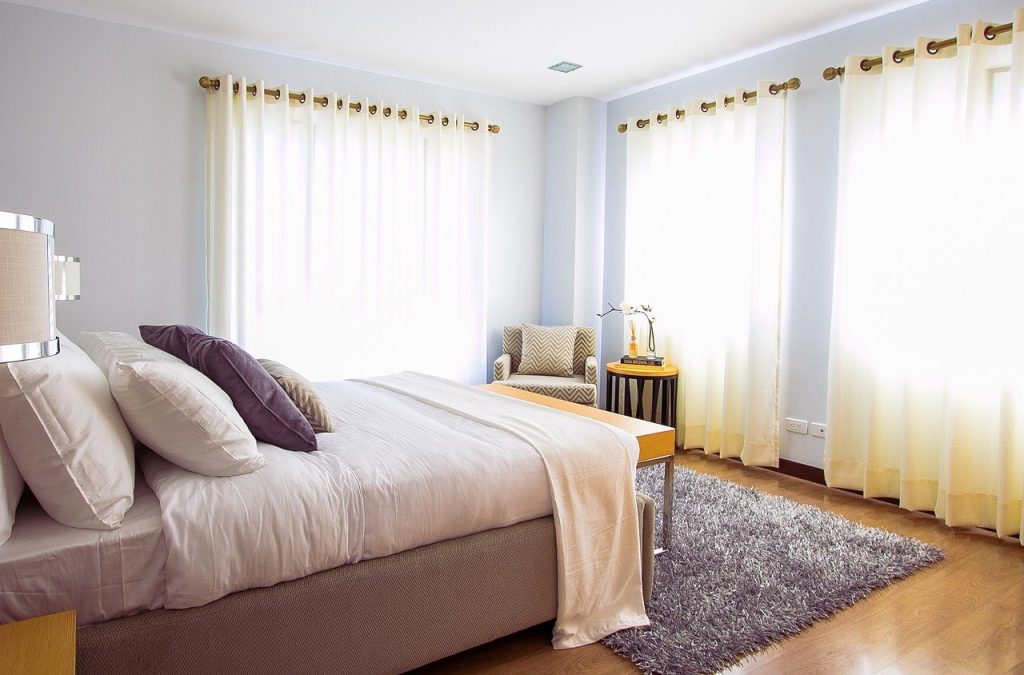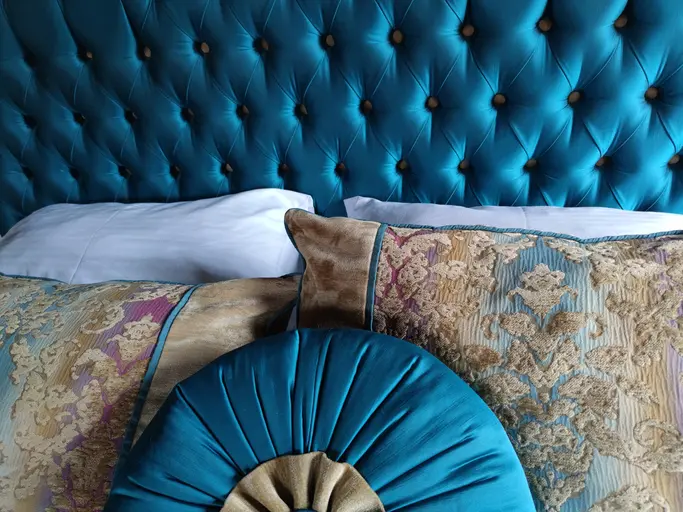
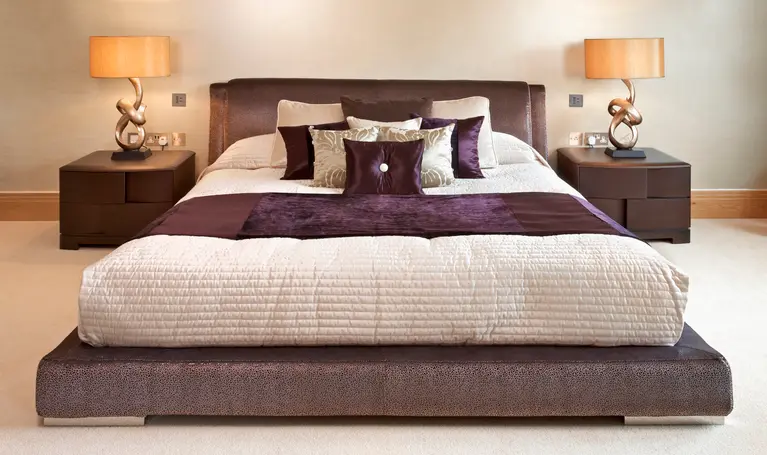
Bespoke bed covers complete a bedroom design by adding the final layer of colour, texture, proportion and softness to the bed. Because the bed is usually the largest piece of furniture in the room, the way it is dressed has a major effect on the overall look and feel of the space. A carefully designed bed cover can bring together the headboard, curtains, blinds, cushions, flooring and wall colour so the bedroom feels calm, considered and finished.
In many bedrooms, the main furniture and decoration may already be in place, but the room still feels slightly unfinished. This often happens when the bed dressing does not connect with the rest of the scheme. A standard duvet cover may be practical, but it may not provide enough structure or design detail to complete the room. A bespoke bed cover can solve this by creating a more tailored, cohesive and elegant finish.
The benefit of a bespoke approach is that the bed cover is planned around the room. It can be made to the right size, in the right fabric, with the right drop, colour and finish. This allows it to feel like part of the bedroom design rather than a separate item placed on top of the bed.
What Is a Bespoke Bed Cover?
A bespoke bed cover is a made-to-measure covering designed specifically for a bed, bedroom and interior scheme. It may be used as a decorative top layer, a practical cover during the day or a soft finishing piece that helps bring the room together.
Unlike standard bedspreads or throws, bespoke bed covers are created to suit the proportions of the bed and the style of the room. They can be tailored to work with a divan base, bed frame, upholstered headboard, bed valance or layered bedding arrangement.
A bespoke bed cover may be quilted, padded, lined, plain, textured, patterned or finished with detailing such as edging, piping or stitching. The exact design depends on the desired look and how the cover will be used.
Some bed covers are designed to sit neatly over the top of the bed with a controlled drop at the sides. Others are more relaxed and layered, sitting with cushions, throws and folded bedding. The advantage of bespoke design is that these details can be chosen intentionally.
A well-designed bed cover can help the bed look dressed even when the room is not heavily styled. It adds structure and creates a more polished everyday finish.
Why the Bed Is the Visual Centre of the Room
The bed is usually the largest and most important feature in a bedroom. It takes up significant floor space and immediately draws the eye when you enter the room. Because of this, the way the bed is dressed strongly influences the whole interior.
If the bed looks unfinished, the room can feel unfinished. If the bedding feels disconnected from the curtains, headboard or wall colour, the scheme may lack cohesion. A bespoke bed cover helps give the bed a stronger visual role without making it look overdone.
The bed cover creates a broad surface of fabric, so it has a significant effect on colour and texture. A pale linen-look cover can make a room feel calm and airy. A deeper velvet or quilted fabric can create warmth and luxury. A patterned cover can introduce personality and connect different colours within the scheme.
It also helps control the proportions of the bed. A cover with the right drop can soften the bed base, conceal practical bedding and create a more elegant silhouette. This is particularly useful for divans, storage beds or bed frames where the lower section needs to feel more integrated.
How Bespoke Bed Covers Create a Finished Look
A bespoke bed cover can make a bedroom feel finished because it acts as the connecting layer between all the soft furnishings. It bridges the gap between practical bedding and decorative design.
In a complete bedroom scheme, the headboard, curtains, blinds, cushions, throw, bed valance and bed cover should not feel random. They do not need to match exactly, but they should relate to one another through colour, texture, pattern or tone.
For example, a soft taupe bed cover might connect with warm neutral curtains and a textured headboard. A muted green cover might pick up tones from a Roman blind or artwork. A quilted ivory cover might soften a darker headboard and create a calmer balance.
A bespoke bed cover can also help simplify the room. If there are several textures or colours already present, the cover can provide a quiet, grounding layer. If the room feels too plain, the cover can introduce pattern, stitch detail or a richer texture.
This is what makes it a finishing piece. It helps resolve the design, making the bedroom feel deliberate rather than assembled from separate items.
Why Bespoke Is Different From Ready-Made
Ready-made bed covers can be useful, but they are designed to standard sizes and limited fabric options. They may not sit correctly on every bed, particularly if the bed has a deep mattress, topper, unusual frame or specific base height.
A ready-made cover may be too short, too long, too narrow or too wide. It might expose areas you want to conceal or overwhelm the bed with too much fabric. Even when the colour is right, the fit may stop the room from feeling tailored.
A bespoke bed cover is designed around the exact measurements and requirements of the bed. This means the drop, width, length, thickness and finish can be adjusted. The fabric can also be selected to coordinate with other elements in the room.
This level of control is especially useful when the bedroom already includes bespoke curtains, blinds, headboard upholstery or cushions. The bed cover can be designed to complement these elements rather than trying to find a close match from a ready-made range.
The difference is often subtle but important. A bespoke cover tends to look more intentional because it fits the bed and room properly. It can make the entire space feel more refined.
How Bed Covers Add Colour to a Bedroom
Colour is one of the most important ways a bed cover completes a bedroom design. Because the bed cover covers a large area, its colour can either calm the room, warm it up, add contrast or create a focal point.
For a restful bedroom, soft neutrals are often effective. Shades such as ivory, oatmeal, stone, taupe, warm grey, mushroom and soft beige can create a calm foundation. These colours work well with natural textures, upholstered headboards and layered curtains.
Muted colours can also be very effective. Sage green, dusty blue, clay, blush beige, olive, soft terracotta and muted navy can add personality while still feeling restful. These colours often work well when they are echoed elsewhere in the room through cushions, artwork or window treatments.
Deeper colours create a more dramatic effect. Charcoal, forest green, chocolate, navy or burgundy can make the bed feel grounded and luxurious. These shades work best when balanced with lighter bedding, good lighting and softer surrounding tones.
The key is to choose a colour that supports the mood of the room. A bed cover should not feel like a separate block of colour. It should connect naturally with the walls, headboard, flooring and fabrics.
How Texture Changes the Feel of the Bed
Texture can be just as important as colour. A room with many smooth surfaces can feel flat without textile detail. A bespoke bed cover can introduce softness, depth and tactile interest.
A quilted bed cover adds structure and gentle pattern through stitching. This can make the bed look neatly dressed without needing a strong print. A velvet cover can create warmth and richness, making the bedroom feel more luxurious. A linen-look cover can feel relaxed, natural and understated. A woven fabric can add subtle depth while staying calm and versatile.
Texture also affects how light moves across the bed. A matte fabric creates a quiet, soft finish. A fabric with slight sheen may feel more polished. A heavily textured fabric can make a neutral colour feel more interesting.
This is particularly useful in bedrooms with simple colour palettes. If the room is mainly cream, stone or grey, texture prevents it from feeling plain. A bespoke bed cover can add the right level of detail without making the space visually busy.
Should a Bed Cover Match the Headboard?
A bed cover does not have to match the headboard exactly. In many cases, a coordinated but not identical approach feels more sophisticated. Exact matching can work in some tailored schemes, but it may also feel too formal or flat if overused.
A more layered approach might use related tones. For example, an oatmeal headboard could be paired with a stone bed cover. A deep blue headboard could be softened with pale grey or ivory bedding. A green headboard could be complemented by a neutral cover with green cushions or piping.
Texture can also create contrast. A velvet headboard might work beautifully with a linen-look bed cover, while a plain upholstered headboard might benefit from a quilted or subtly patterned cover.
The goal is harmony. The bed cover and headboard should look as though they belong together, even if they are not the same fabric. This creates a more natural and considered bedroom design.
Should a Bed Cover Match Curtains or Blinds?
A bed cover can coordinate with curtains or blinds, but it does not need to match them exactly. Matching fabrics can sometimes create a very traditional look, which may be desirable in certain interiors. However, many modern schemes feel more refined when fabrics are related rather than identical.
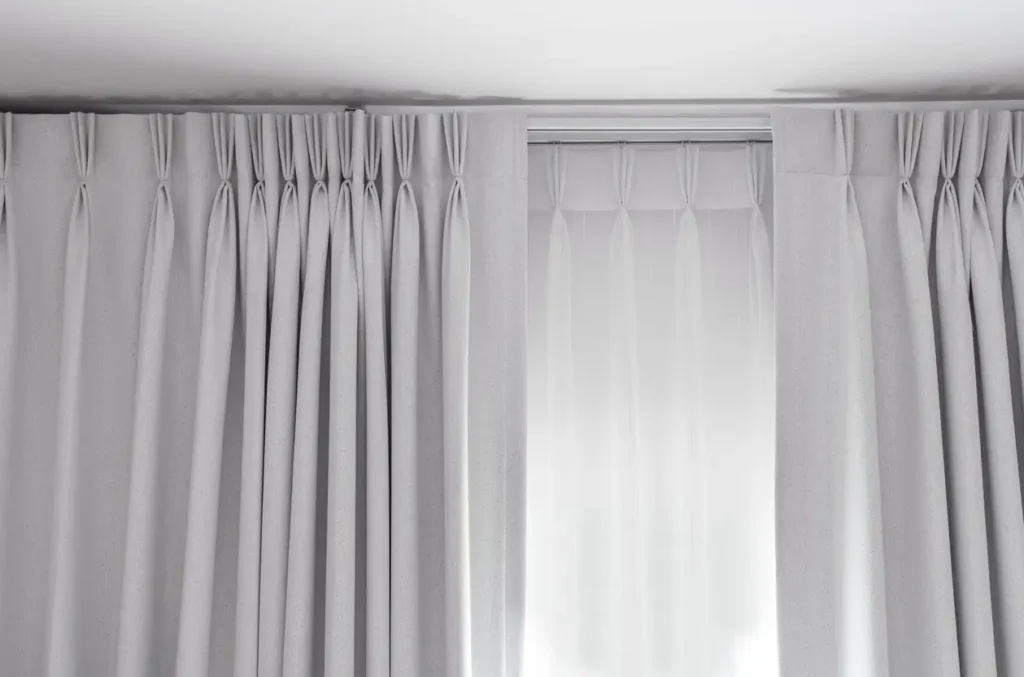
For example, curtains in a warm neutral linen blend might be paired with a bed cover in a slightly deeper taupe. A patterned Roman blind might be complemented by a plain bed cover that picks up one colour from the pattern. A sheer curtain scheme might work with a textured bed cover that adds weight and warmth.
The bed cover can also act as a bridge between the window treatments and the bed. If curtains are dark and the headboard is light, a mid-tone bed cover can help balance the contrast. If blinds are simple and minimal, the bed cover can provide more softness and detail.
Coordinating soft furnishings creates a sense of flow. It helps the bedroom feel designed as a whole rather than built from unrelated pieces.
How Bespoke Bed Covers Improve Proportion
Proportion is one of the main advantages of a bespoke bed cover. A cover that is too small can make the bed look unfinished. A cover that is too large can look bulky and untidy. The right proportions make the bed feel balanced.
The drop length matters. A longer drop can conceal the bed base and create a more formal or hotel-inspired look. A shorter drop can feel lighter and more contemporary. The right choice depends on the bed frame, mattress depth and whether a valance is being used.
The thickness and finish also matter. A heavily padded cover can make the bed feel plush and substantial. A lighter cover can create a softer, more relaxed look. A quilted design can add structure without adding too much bulk.
For tall headboards, the bed cover should not compete with the height. It should support the overall bed shape. For lower headboards, the cover may need more texture or layering to give the bed enough presence.
A bespoke design allows these decisions to be made around the exact bed rather than relying on standard proportions.
Can Bespoke Bed Covers Help Hide Practical Bedding?
A bed cover can help conceal practical bedding and create a more polished daytime look. Duvets, mattress toppers, protectors and pillows are essential, but they do not always create the most finished appearance on their own.
A bespoke bed cover can sit over the top and make the bed look neater. This is especially useful in guest bedrooms, main bedrooms and show-home style interiors where the bed needs to look composed even when used daily.
It can also help protect bedding from dust, sunlight and everyday wear during the day. In homes with pets, a bed cover can provide a practical top layer, although fabric choice becomes especially important.
The cover can be easy to fold back in the evening, depending on the weight and design. A lighter cover may suit everyday use, while a heavier decorative cover may be better for rooms where appearance is the priority.
The best design balances practicality with style. It should improve the look of the bed without making daily routines more difficult.
Choosing the Right Fabric for a Bespoke Bed Cover
The fabric should suit both the room and the way the bed cover will be used. A decorative guest room can often handle more delicate or statement fabrics, while a main bedroom needs something that works comfortably every day.
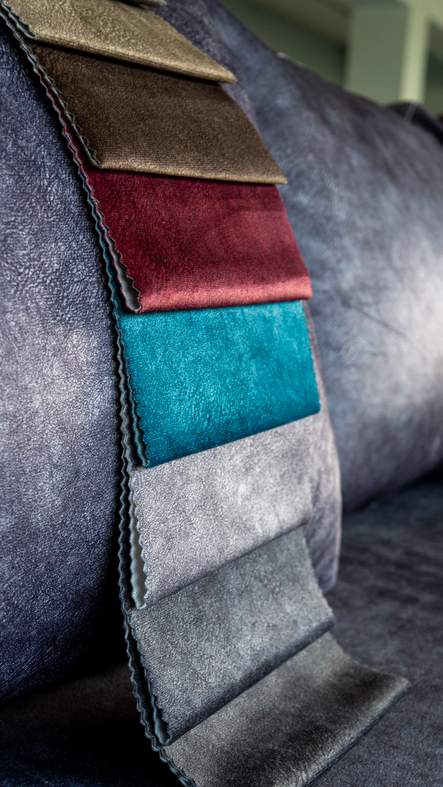
Linen blends are popular for relaxed, natural schemes. They add texture without feeling heavy. Velvet can create a more luxurious and cosy look, especially in deeper colours. Cotton blends can feel fresh, practical and versatile. Textured weaves are a good choice when you want durability and subtle interest. Quilted fabrics can provide structure and a more tailored finish.
When choosing fabric, consider:
- How often the bed cover will be used
- Whether the cover needs to be easy to move
- Whether children or pets use the room
- How much sunlight reaches the bed
- Whether the fabric should feel soft, crisp or structured
- How the fabric works with the headboard and curtains
- Whether the colour needs to hide marks
Fabric samples should be viewed in the bedroom. A colour or texture that looks perfect in isolation may change once placed near bedding, wall colour and natural light.
Plain, Patterned or Quilted Bed Covers
Plain bed covers are versatile and timeless. They work well when the room already includes patterned curtains, wallpaper or decorative cushions. A plain cover can create calm and allow other elements to stand out.
Patterned bed covers can add personality and movement. They are useful when the room feels too plain or when you want the bed to become more of a feature. The pattern should be scaled to the bed size. A small pattern may feel gentle and classic, while a larger pattern can feel bolder and more contemporary.
Quilted bed covers are a strong middle ground. They can add detail through stitch pattern rather than strong colour or print. This makes them useful for calm bedrooms where texture is more important than pattern.
The choice depends on the wider scheme. If the room already has many details, a plain or lightly quilted cover may be best. If the room is minimal, a patterned or textured cover can add interest.
Bespoke Bed Covers for Guest Bedrooms
Guest bedrooms often benefit from bespoke bed covers because they help the room feel welcoming and complete. A guest room may not be used every day, but it should still feel comfortable and thoughtfully presented.
A bed cover can keep the bed looking neat between visits. It can also help protect bedding and create a more inviting first impression. Because guest rooms often have simpler furniture, the bed cover may play a larger role in giving the room character.
Soft neutrals are a safe choice for guest rooms because they suit a wide range of tastes. Muted colours such as sage, blue, clay or taupe can also work well. A quilted or textured bed cover can add comfort without making the room feel too personal.
Guest bedrooms are a good place to use coordinated cushions, throws or a valance. These finishing touches can make the space feel cared for without needing excessive decoration.
Bespoke Bed Covers for Main Bedrooms
In a main bedroom, a bespoke bed cover should support daily comfort as well as design. It needs to look good, feel appropriate and suit the way the room is used.
Some people prefer a lighter cover that is easy to fold back each night. Others want a more decorative cover that creates a polished look during the day. The best option depends on routine and personal preference.
The main bedroom often has more design layers than a guest room. Curtains, blinds, headboard, bedside furniture, wardrobe finishes and lighting all need to work together. A bespoke bed cover can help connect these elements.
It can also make the room feel more personal. The fabric, colour and finish can be chosen to suit your taste rather than being limited to standard bedding ranges. This is especially useful if you want a calm, refined bedroom that does not look like a generic showroom.
Frequently Asked Questions
Are bespoke bed covers worth it?
Bespoke bed covers can be worth it if you want a better fit, more coordinated fabric choice and a more finished bedroom design. They are particularly useful when standard sizes or colours do not suit the bed or room.
Should a bed cover cover the whole bed?
It depends on the desired look. Some bed covers are designed to cover the full bed and drop down the sides, while others sit as a decorative top layer. A bespoke design allows the proportions to be chosen for the specific bed.
What fabric is best for a bed cover?
Linen blends, cotton blends, velvet, textured weaves and quilted fabrics can all work well. The best choice depends on the room style, level of use, desired texture and how practical the fabric needs to be.
Should a bed cover match the curtains?
It does not have to match exactly. Coordinating through tone, texture or colour is often more elegant than using the same fabric everywhere. The bed cover should feel connected to the curtains, blinds or headboard.
Can a bespoke bed cover make a bedroom look more luxurious?
Yes, a bespoke bed cover can make a bedroom look more luxurious by improving proportion, adding texture and creating a more tailored finish. It helps the bed look deliberately dressed rather than simply made.
Summary
Bespoke bed covers complete a bedroom design by adding the final layer that connects comfort, colour, texture and proportion. They help the bed feel more considered and make the whole room look more cohesive.
Unlike ready-made options, a bespoke bed cover can be designed around the exact bed, fabric scheme and room style. It can coordinate with headboards, curtains, blinds, cushions and valances without needing to match everything exactly.
For tailored guidance on bespoke bed covers, headboard upholstery, curtains, blinds and bedroom soft furnishings, Zenn Interiors can help create a bedroom design that feels calm, complete and beautifully finished.
Phone: 020 7871 3082
Email: zenninteriors@gmail.com
Find out more: https://zenninteriors.co.uk/