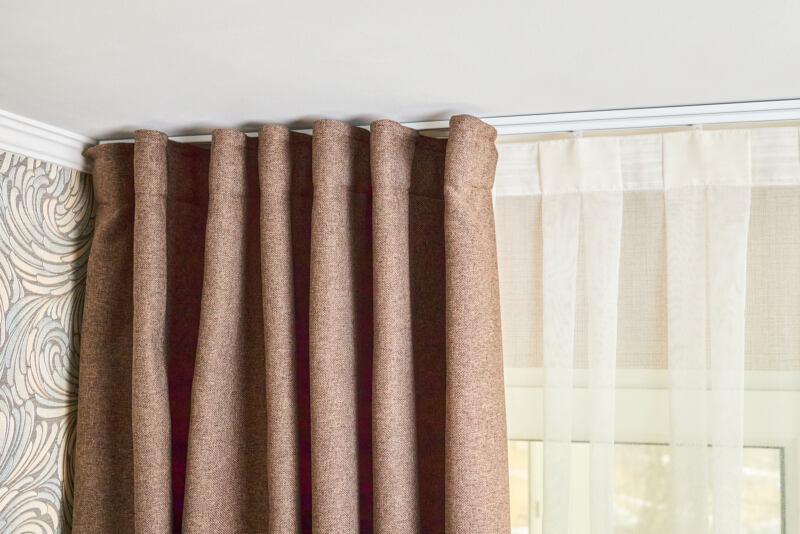
A wave curtain track has become a popular choice in modern interiors, offering a clean, structured look that differs significantly from traditional curtain systems. While both options serve the same core function, the way they influence the appearance and movement of curtains can vary considerably.
Understanding the differences between a wave curtain track and more traditional tracks or poles can help you make a more informed decision for your space.
What Is a Wave Curtain Track?
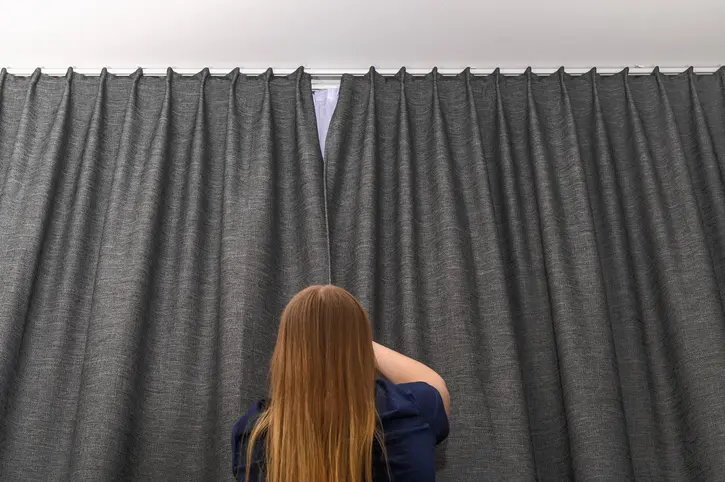
A wave curtain track is a system designed to create evenly spaced, continuous folds across the width of the curtain. Unlike traditional pleated curtains, the fabric forms a smooth, flowing wave pattern.
This is achieved using:
- Specially spaced gliders within the track
- A fixed heading tape that controls the fold depth
- A consistent spacing system that maintains uniformity
The result is a modern, streamlined appearance that works particularly well in contemporary interiors.
How Traditional Curtain Tracks Differ
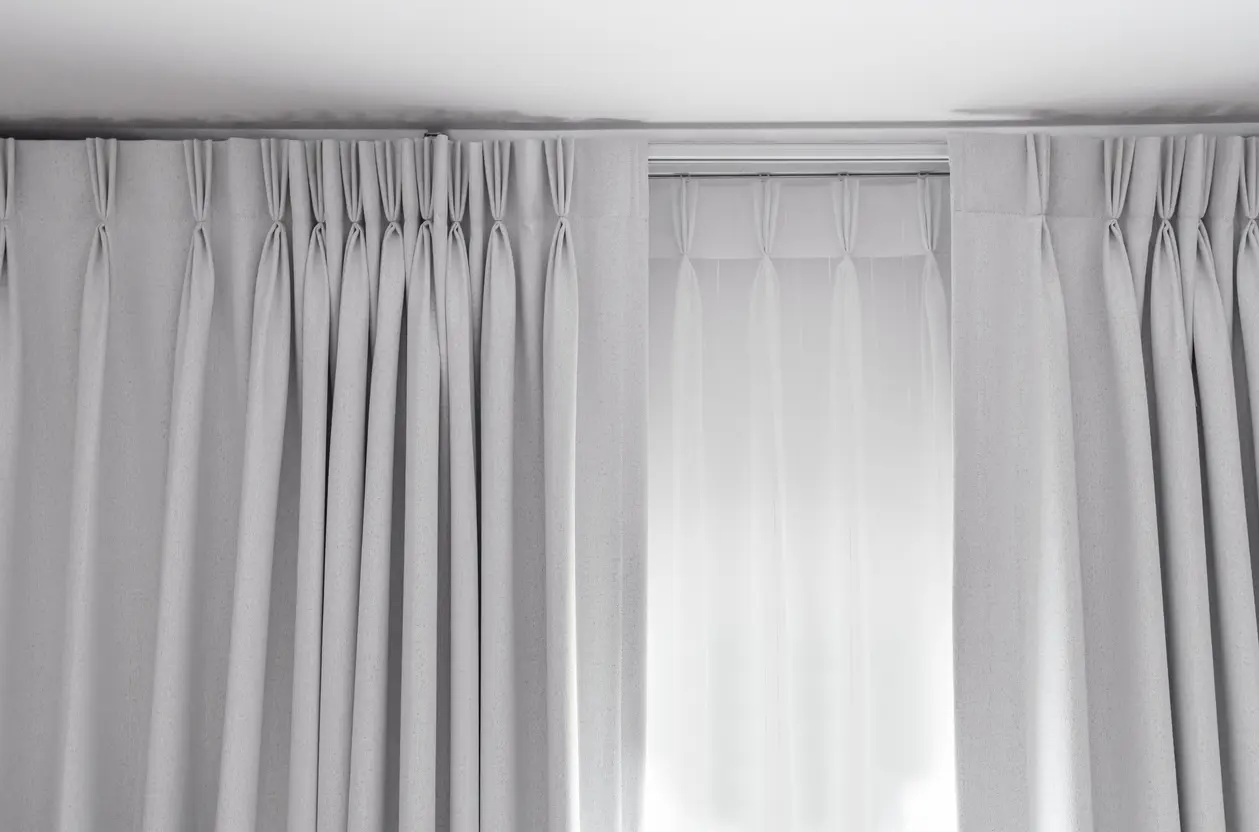
Traditional curtain tracks and poles typically use gathered or pleated headings, which create a more textured and layered look.
Key Characteristics
Variable folds depending on how curtains are drawn
Greater flexibility in fabric fullness
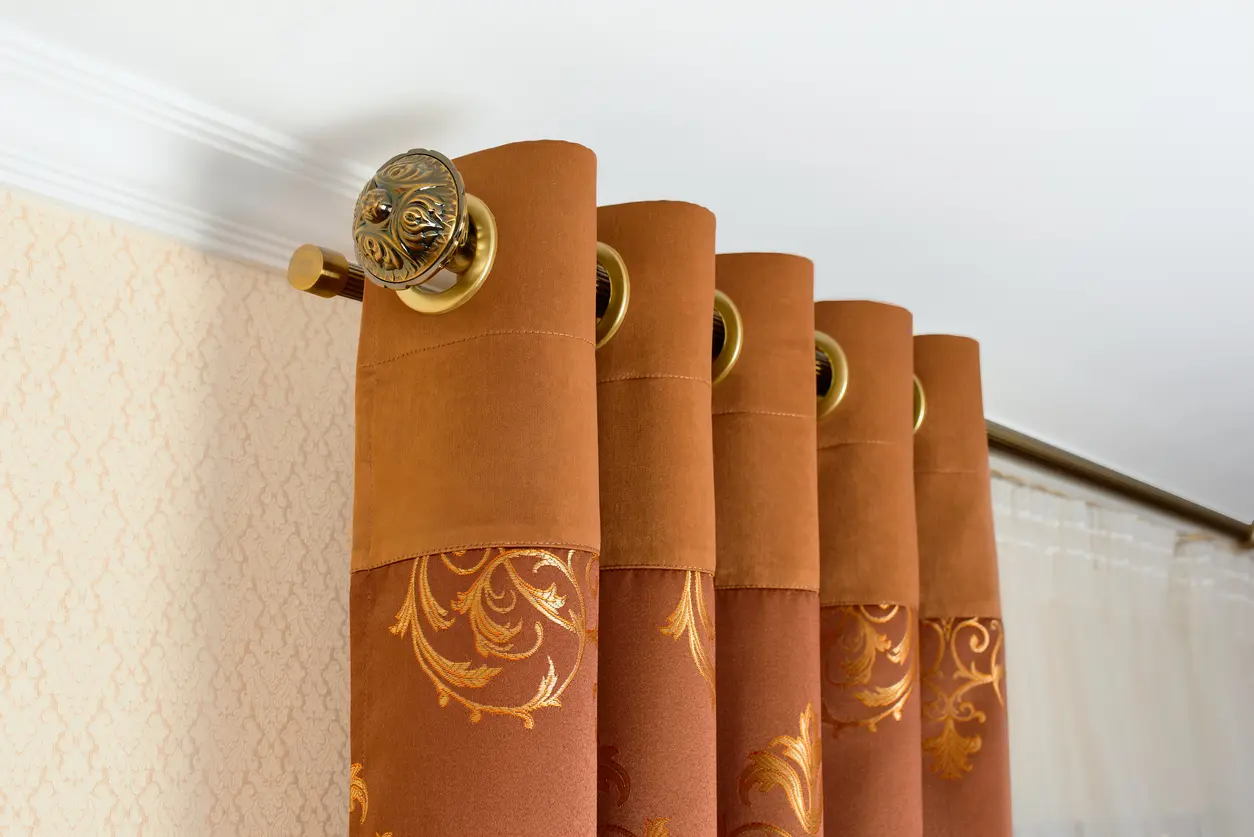
A more classic or decorative appearance
While traditional systems can suit many interiors, they often lack the structured consistency of a wave curtain track.
Visual Impact and Style
The most noticeable difference between the two systems is how the curtains look when hung.
Wave Curtain Track
Clean, uniform folds
Minimalist and modern aesthetic
Curtains sit neatly against the wall
Traditional Tracks or Poles
Softer, more varied folds
Suitable for traditional or layered interiors
Greater visual texture
Which Style Works Best?
Modern interiors: Wave curtain track for a sleek finish
Classic interiors: Traditional tracks for a more decorative feel
Curtain Movement and Functionality
Functionality is just as important as appearance when choosing a curtain system.
Wave Curtain Track
Smooth, controlled movement
Curtains glide evenly across the track
Stack neatly when open
Traditional Systems
Movement can vary depending on fabric weight
Curtains may bunch unevenly
Requires more manual adjustment
Real-World Scenario
In a large living room with wide glazing, a wave curtain track allows curtains to open and close effortlessly, maintaining a consistent appearance throughout. Traditional curtains in the same space may require more adjustment to keep them looking neat.
Fabric Compatibility
Not all fabrics behave the same way on different systems.
Wave Curtain Track Requirements
Medium-weight fabrics work best
Too heavy fabrics can disrupt the wave effect
Too light fabrics may lack structure
Traditional Track Flexibility
Suitable for a wider range of fabrics
Works well with heavier or more decorative materials
Allows for more variation in design
Choosing the right fabric ensures the system performs as intended.
Where Each System Works Best
Different rooms benefit from different curtain styles.
Wave Curtain Track
Living rooms with large windows or sliding doors
Open-plan spaces requiring a clean aesthetic
Contemporary bedrooms
Traditional Curtain Tracks
Period properties
Formal dining rooms
Spaces with layered or decorative interiors
Installation and Practical Considerations
The installation process can also influence your decision.
Wave Curtain Track
Requires precise measurement and alignment
Often ceiling-mounted for a seamless look
Best suited to made to measure curtains
Traditional Systems
More forgiving installation
Can be wall or ceiling mounted
Easier to adapt to different window types
Good vs Better vs Best
Good
Standard curtain pole with ready-made curtains
Basic functionality
Better
Traditional track with tailored curtains
Improved fit and appearance
Best
Wave curtain track with made to measure curtains
Consistent finish and modern aesthetic
What Happens If You Choose the Wrong System?
Selecting the wrong curtain track can affect both appearance and usability.
Curtains may not hang correctly
Movement may feel stiff or uneven
The overall design may feel inconsistent
Choosing a system that aligns with both the room style and fabric ensures a more successful outcome.
FAQs
Q1: What is a wave curtain track?
It is a curtain system that creates evenly spaced folds for a smooth, continuous wave appearance.
Q2: Is it better than a traditional curtain pole?
It depends on the style of your interior. Wave tracks suit modern spaces, while traditional poles work well in classic settings.
Q3: Can all curtains be used with a wave track?
No, they require specific heading tape and suitable fabric weight to achieve the wave effect.
Q4: Where should I use a wave curtain track?
They work best in contemporary spaces, particularly with large windows or open-plan layouts.
Q5: Are they easy to use?
Yes, they are designed for smooth, even movement and require minimal adjustment once installed.
Summary
A wave curtain track offers a clean, modern alternative to traditional curtain systems. While both options have their place, the right choice depends on your interior style, fabric selection and how you want the curtains to function.
By understanding the differences, you can choose a system that enhances both the look and usability of your space.
If you are planning to refine your interiors, selecting the right curtain system is a key part of achieving a cohesive and functional design.
Phone: 020 7871 3082
Email: zenninteriors@gmail.com
Find out more: https://zenninteriors.co.uk/