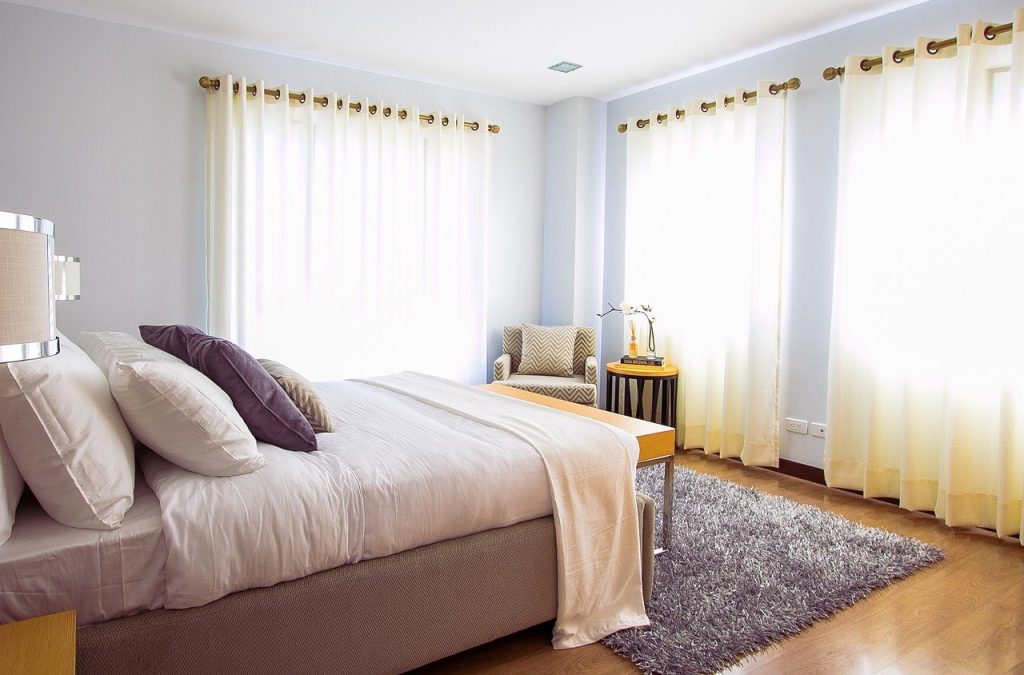
Drapery designs for bedroom spaces play a crucial role in both comfort and functionality. Beyond aesthetics, the right drapery can significantly improve sleep quality, manage natural light and create a calm, restful environment.
In bedrooms, where privacy and atmosphere are essential, thoughtful drapery design ensures the space feels both practical and considered.
Why Drapery Matters in a Bedroom
Unlike living spaces, bedrooms require a higher level of control over light and privacy. Poor window treatments can lead to:
- Early morning light disrupting sleep
- Reduced privacy, particularly in urban settings
- A lack of warmth or softness in the overall design
Drapery designs for bedroom interiors address these issues while also contributing to the visual identity of the room.
Balancing Light Control and Privacy
One of the key considerations in bedroom design is achieving the right balance between natural light and privacy.
Day vs Night Functionality
Bedrooms often need to perform differently throughout the day:
- Bright and welcoming during the morning
- Calm and dark in the evening
Layering for Flexibility
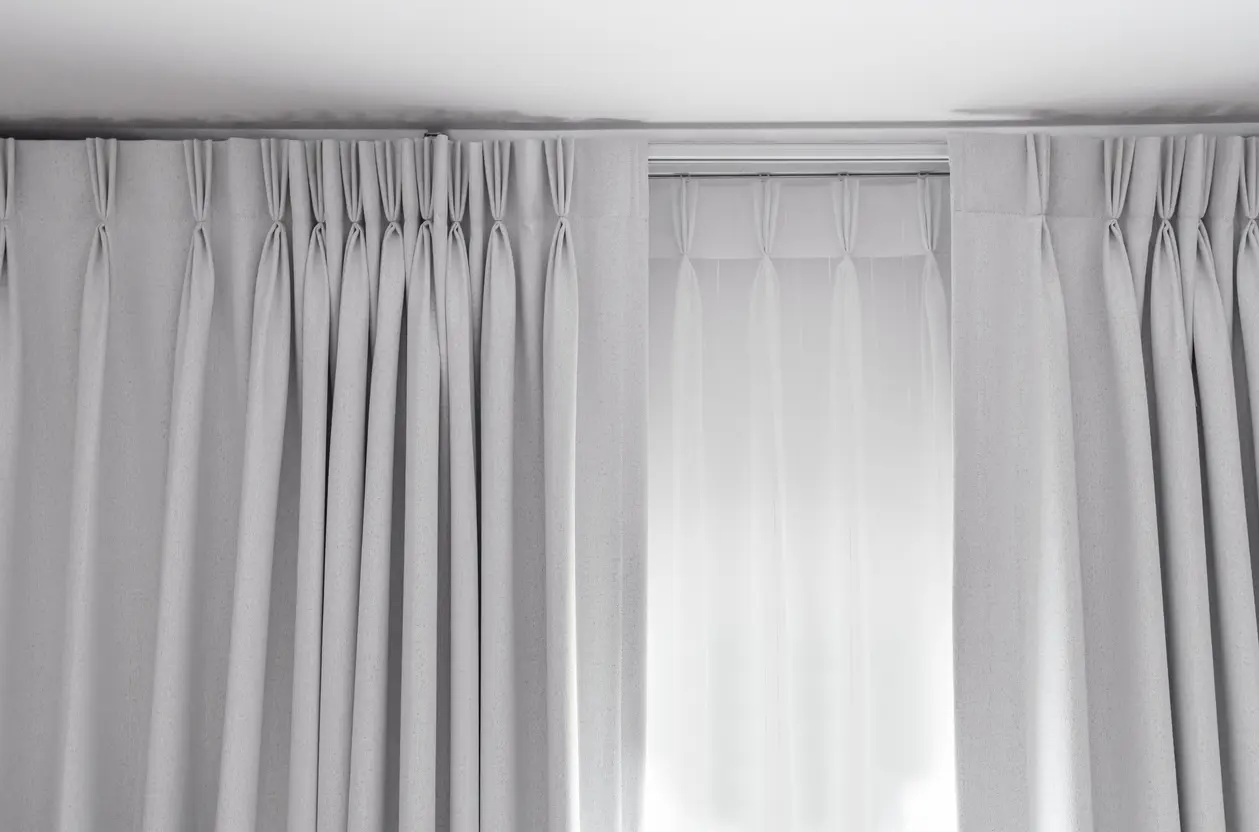
A layered approach is often the most effective solution:
- Sheer curtains allow soft daylight to filter through
- Heavier drapes provide privacy and block light
- Blackout linings create near-total darkness when needed
Real-World Scenario
In a bedroom facing a busy street, sheer curtains can maintain privacy during the day without blocking light. At night, heavier drapes can be closed to eliminate external light and create a more restful sleeping environment.
Choosing the Right Fabric
Fabric selection is central to how drapery performs and how the room feels.
Blackout Fabrics
Ideal for bedrooms where light control is critical
Help improve sleep quality
Reduce external disturbances
Light-Filtering Fabrics
Soften natural light without fully blocking it
Create a relaxed, airy atmosphere
Work well in layered designs
Textured and Decorative Fabrics
Add depth and interest to the room
Can introduce colour or pattern
Enhance the overall design scheme
Different Styles of Drapery Designs for Bedrooms
Different drapery styles can influence both function and appearance.
Full-Length Drapes
Create a sense of height and elegance
Work well in both modern and traditional interiors
Help insulate the room
Minimalist Panels
Offer a clean, contemporary look
Suitable for modern bedrooms
Focus on simplicity and function
Layered Drapery Systems
Combine practicality with design flexibility
Allow adjustments throughout the day
Provide both privacy and visual softness
Improving Sleep Through Better Drapery Design
The connection between drapery and sleep is often overlooked.
Key Factors
Blocking external light sources
Reducing noise through heavier fabrics
Creating a darker, more controlled environment
What Happens If You Get It Wrong?
Poor drapery choices can lead to:
- Interrupted sleep due to light leaks
- A room that feels too bright or exposed
- Reduced comfort, particularly in colder months
Investing in the right drapery design helps create a more consistent and comfortable sleeping environment.
Colour and Design Considerations
Colour plays a significant role in how a bedroom feels.
Neutral Tones
Promote calm and relaxation
Work well with most interior styles
Create a timeless look
Darker Colours
Enhance light blocking
Add depth and cosiness
Suitable for larger bedrooms
Soft Patterns
Introduce subtle visual interest
Avoid overwhelming the space
Complement other design elements
Common Mistakes to Avoid
When selecting drapery designs for bedroom interiors, certain mistakes can reduce their effectiveness.
Choosing style over functionality
Ignoring the importance of lining
Selecting fabrics unsuitable for the room’s light levels
Installing curtains too low or too narrow
Avoiding these issues ensures both comfort and visual harmony.
Good vs Better vs Best Drapery Choices
Good
Simple curtains with basic lining
Limited light control
Budget-friendly
Better
Layered curtains with improved fabrics
Greater flexibility
Balanced design and function
Best
Fully tailored drapery systems
High-quality fabrics and blackout options
Designed specifically for the room
What If You Choose the Wrong Fabric?
Selecting the wrong fabric can affect both appearance and performance.
Too light: insufficient privacy and light control
Too heavy: reduced natural light and a cramped feel
Poor quality: reduced lifespan and appearance
A considered selection process helps avoid these issues.
FAQs
Q1: What are the best drapery designs for bedroom privacy?
Layered drapery with a combination of sheer and blackout fabrics provides the best balance of privacy and light control.
Q2: Should bedroom drapes be blackout?
Blackout drapes are ideal for improving sleep, particularly in rooms exposed to street lighting or early sunlight.
Q3: How do I layer drapery in a bedroom?
Use sheer curtains for daytime and heavier drapes for evening use, allowing flexibility throughout the day.
Q4: What fabrics are best for bedroom curtains?
Velvet, cotton blends and blackout-lined fabrics are popular choices due to their balance of comfort and practicality.
Q5: Do drapes affect room temperature?
Yes, thicker fabrics can help insulate the room, reducing heat loss and improving overall comfort.
Summary
Drapery designs for bedroom spaces go far beyond decoration. They influence how well you sleep, how comfortable the room feels and how effectively you can control light and privacy.
By choosing the right fabrics, layering techniques and styles, you can create a bedroom that feels calm, functional and visually cohesive.
If you are planning to improve your bedroom design, thoughtful drapery choices can make a meaningful difference to both comfort and style.
Phone: 020 7871 3082
Email: zenninteriors@gmail.com
Find out more: https://zenninteriors.co.uk/