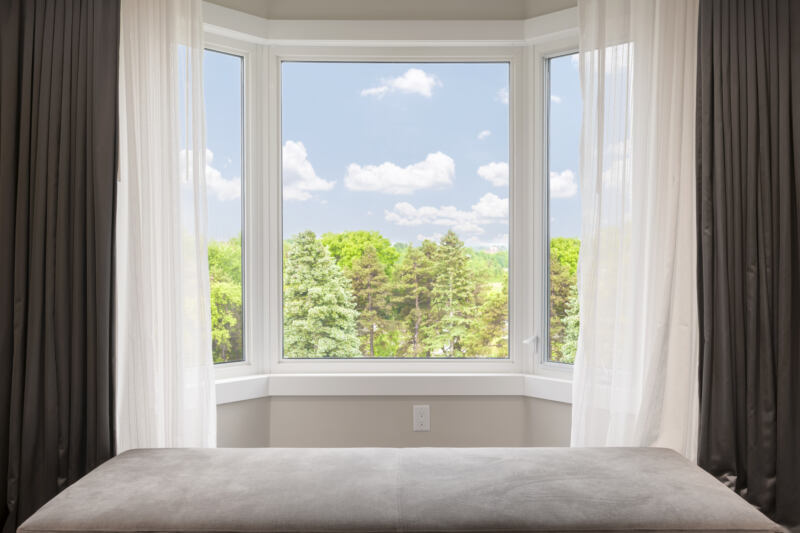
Curtains for bay windows require a more considered approach than standard window treatments. The shape, angles and size of a bay window can make it one of the most striking features in a room, but also one of the most challenging to dress well.
Choosing the right curtains for bay windows can enhance natural light, improve privacy and create a cohesive design that complements the architecture rather than working against it.
Understanding the Shape of a Bay Window
Before selecting curtains, it is important to understand the structure of the bay itself. Most bay windows fall into one of three types:
- Angled bays with multiple flat sections
- Box bays with sharper corners
- Curved bays with a continuous arc
Each type influences how curtains should be installed and how they will fall when open or closed.
Why This Matters
Curtains that do not follow the shape of the bay can:
- Block light unnecessarily
- Look awkward or uneven
- Reduce usable space around the window
A tailored approach ensures the curtains enhance the window rather than compete with it.
Best Curtain Styles for Bay Windows
Not all curtain styles work equally well for bay windows. The goal is to maintain the openness of the bay while still providing privacy and softness.
Full-Length Curtains
Full-length curtains are one of the most popular options, particularly in living rooms.
They help to:
- Emphasise height and elegance
- Frame the bay without interrupting its shape
- Create a more formal, finished look
Layered Curtains
Layering adds flexibility and depth. A common combination includes:
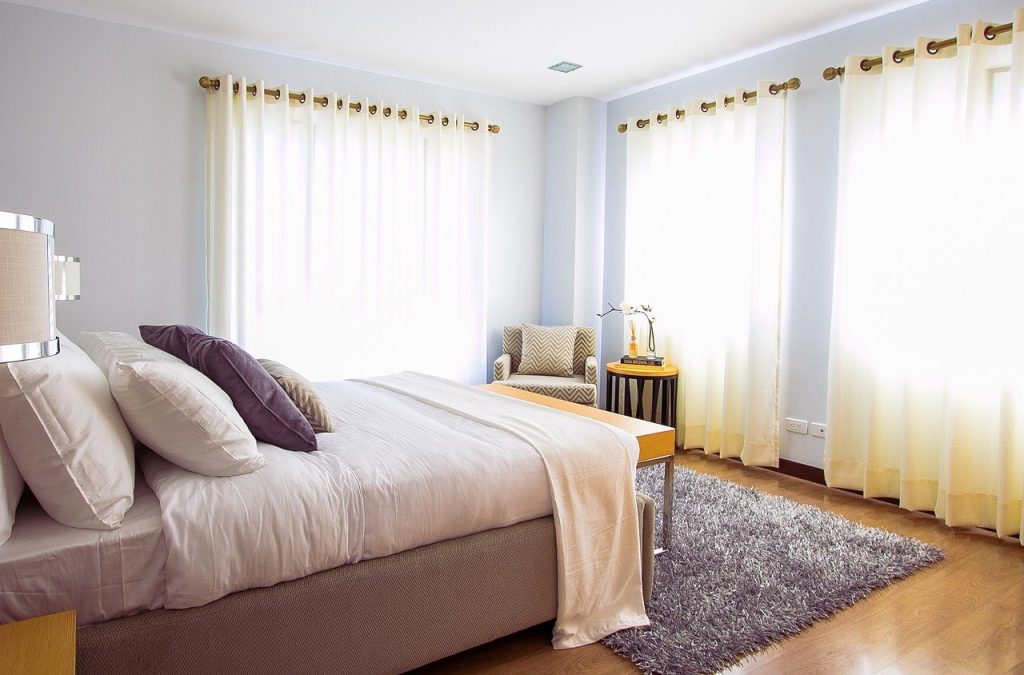
- Sheer curtains for daytime light
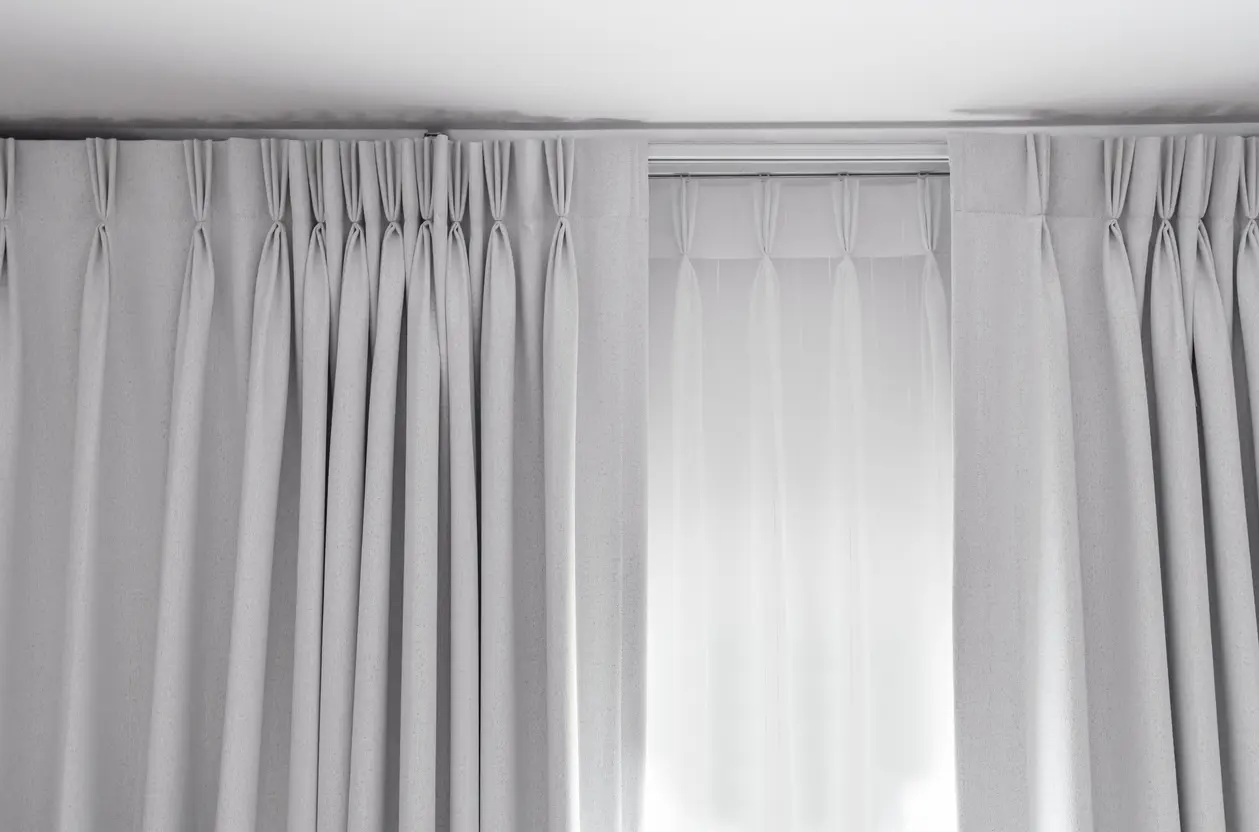
- Heavier curtains for privacy and insulation
This approach works especially well in bedrooms where light control is more important.
Real-World Scenario
In a bedroom with a street-facing bay window, sheer curtains allow natural light in during the day while maintaining privacy. At night, heavier curtains can be drawn to block out light and create a more restful environment.
One Continuous Track vs Multiple Sections
A key decision when installing curtains for bay windows is whether to use a single continuous track or separate sections.
Single Track
Allows curtains to move smoothly across the entire bay
Creates a clean, unified look
Works best for curved or gently angled bays
Separate Sections
Offers more control over individual window panels
Can suit sharper angled bays
May create visible breaks in the curtain flow
Which Should You Choose?
Good: Separate tracks for simple setups
Better: Custom tracks that follow the bay shape
Best: Fully integrated systems designed for seamless movement
Maximising Light Without Losing Privacy
One of the biggest challenges with bay windows is balancing light and privacy.
Techniques That Work
Position curtains to stack neatly at the sides when open
Use lighter fabrics to avoid blocking daylight
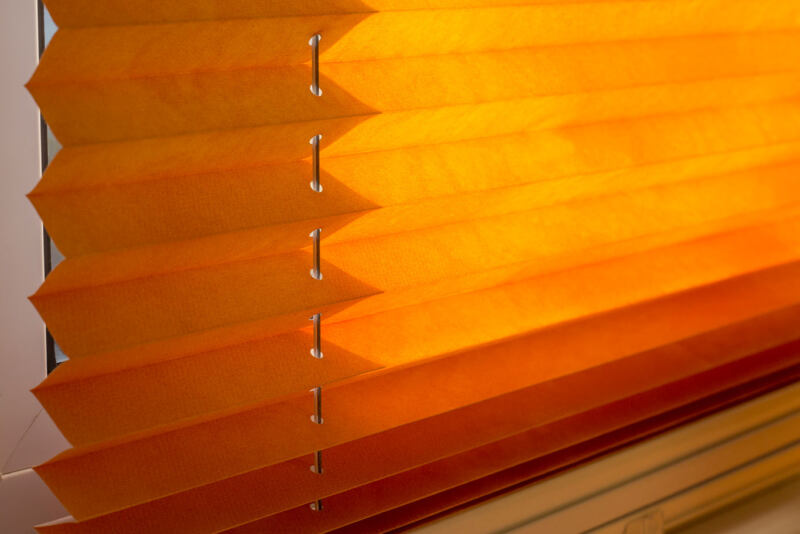
Combine blinds with curtains for layered control
What Happens If You Get This Wrong?
Curtains that are too heavy or poorly positioned can:
- Darken the room unnecessarily
- Make the bay feel enclosed rather than open
- Reduce the visual impact of the window
Fabric and Colour Choices
The fabric you choose has a direct impact on how the curtains behave and how the room feels.
Lightweight Fabrics
Linen and cotton blends
Ideal for bright, airy spaces
Allow soft light to filter through
Heavier Fabrics
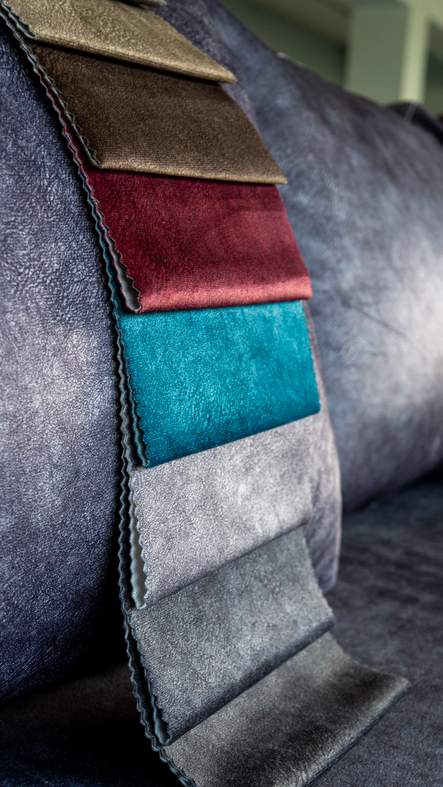
Velvet or thick woven materials
Provide insulation and privacy
Add depth and a more luxurious feel
Colour Considerations
Neutral tones create a calm, cohesive look
Bold colours can make the bay a focal point
Patterns should be used carefully to avoid overwhelming the space
Common Mistakes to Avoid
Bay windows can easily be compromised by poor curtain choices.
Using straight poles that ignore the bay shape
Choosing curtains that are too short
Overcrowding the window with too much fabric
Ignoring how curtains interact with nearby furniture
Avoiding these mistakes ensures the window remains a feature rather than a problem area.
Living Room vs Bedroom Applications
Curtains for bay windows often differ depending on the room.
Living Room
Focus on light and openness
Use softer fabrics and lighter colours
Prioritise aesthetics and flow
Bedroom
Prioritise privacy and light control
Consider blackout linings
Use layering for flexibility
Understanding the purpose of the room helps guide the final design decisions.
What If the Bay Window Is an Awkward Shape?
Not all bay windows are symmetrical or straightforward. In these cases, made to measure curtains become particularly valuable.
They allow for:
- Custom track solutions
- Precise fabric measurements
- A balanced look even in irregular spaces
Without this level of tailoring, the result can feel uneven or unfinished.
FAQs
Q1: What type of curtains work best for bay windows?
Full-length and layered curtains tend to work best, as they complement the shape while allowing flexibility in light control.
Q2: Should I use one curtain or multiple panels?
This depends on the bay design. A single continuous track offers a seamless look, while multiple panels can provide more control.
Q3: How do I avoid blocking light?
Choose lighter fabrics and ensure curtains can be pulled fully to the sides when open.
Q4: Are made to measure curtains better for bay windows?
Yes, they provide a more precise fit and allow for custom solutions that follow the exact shape of the bay.
Q5: Can I combine blinds and curtains?
Yes, layering blinds with curtains is a practical way to achieve both privacy and light control.
Summary
Curtains for bay windows require a balance between practicality and design. By understanding the shape of the bay, selecting appropriate styles and choosing the right fabrics, you can enhance both the function and appearance of the space.
A well-dressed bay window becomes a focal point that adds character, light and depth to a room, rather than a design challenge.
If you are looking to improve how your space feels and functions, thoughtful window treatments can make a significant difference.
Phone: 020 7871 3082
Email: zenninteriors@gmail.com
Find out more: https://zenninteriors.co.uk/