
Duette blinds are suitable for many rooms because they combine a neat, contemporary appearance with practical light control, privacy and insulation. Their distinctive cellular construction helps create a comfortable indoor environment, making them especially useful in bedrooms, living rooms, home offices, conservatories and other spaces where temperature and glare can be difficult to manage.
However, the best blind for a room depends on more than appearance alone. The direction of the window, the amount of natural light, the need for privacy and the way the room is used should all influence your choice.
Understanding how Duette blinds perform in different areas of the home will help you decide where they can provide the greatest benefit.
What makes Duette blinds different from standard blinds?
Duette blinds are made using a cellular or honeycomb-shaped fabric. When viewed from the side, the material forms small pockets that hold a layer of air between the room and the window.
This differs from a conventional single-layer roller, Roman or pleated blind. The cellular structure can help reduce heat transfer through the glazed area, supporting a more stable and comfortable room temperature.
The design can be particularly valuable around larger windows, glazed doors and roof windows, where the amount of exposed glass may contribute to heat loss during winter or excessive warmth during summer.
Depending on the fabric and operating system selected, Duette blinds can also provide:
- Soft filtering of natural daylight
- Improved control over glare
- Different levels of privacy
- Blackout options for darker rooms
- A compact appearance when raised
- A neat finish across unusually shaped windows
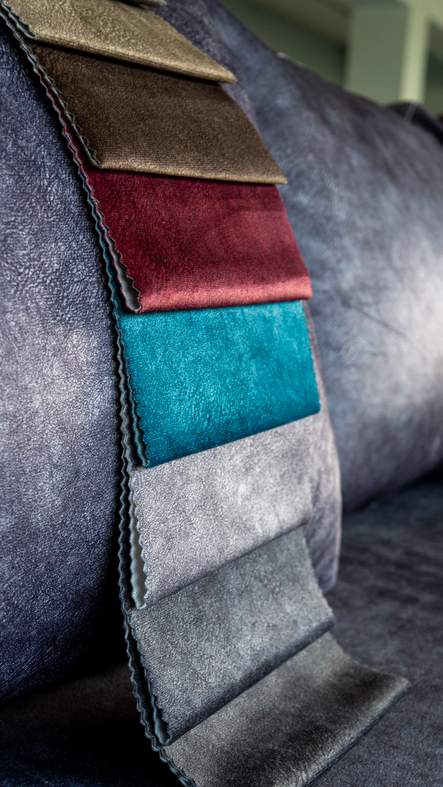
They are available in a range of colours, textures and fabric densities, which means their practical benefits do not require you to compromise on the overall interior scheme.
Are Duette blinds a good choice for living rooms?
Living rooms often need to balance several different requirements. You may want plenty of daylight during the morning, reduced glare while watching television in the afternoon and privacy once it becomes dark outside.
Duette blinds can help manage these changing conditions without making the room feel heavy or enclosed.
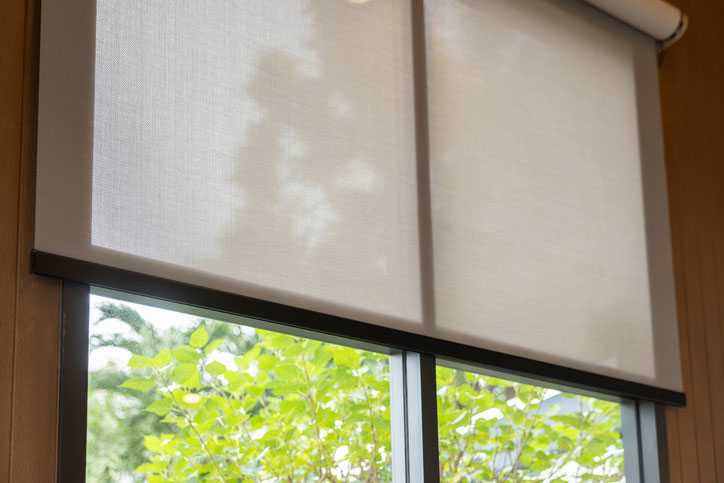
A light-filtering fabric can soften bright sunlight while retaining a bright and welcoming atmosphere. This is useful in living rooms with south-facing or west-facing windows, where direct sunlight can become uncomfortable at particular times of day.
The streamlined appearance of the blind also works well in both modern and more traditional interiors. A carefully selected neutral shade can sit quietly within the room, while a stronger colour or textured fabric can become part of the design.
What about rooms with televisions or screens?
Glare can make televisions, laptops and other screens difficult to view. It may also cause people to close heavy curtains and darken the entire room unnecessarily.
Duette blinds can offer more controlled shading. Depending on the operating style, you may be able to position the blind to screen the brightest part of the window while allowing natural light to enter elsewhere.
For an open-plan living space, this flexibility can help one area remain comfortable for watching television while another continues to benefit from daylight.
Are Duette blinds suitable for bedrooms?
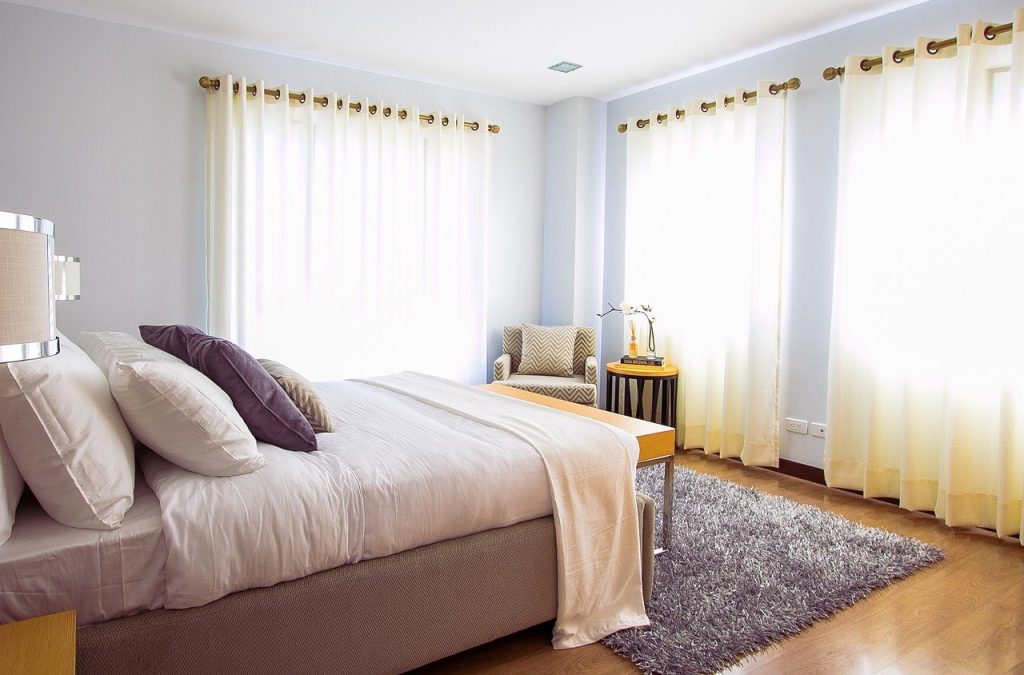
Bedrooms are among the rooms best suited to Duette blinds. They can support privacy, temperature control and a darker sleeping environment, depending on the fabric chosen.
A blackout Duette blind can significantly reduce incoming light, making it useful for people who are disturbed by early summer sun, street lighting or passing vehicles. It can also be helpful in children’s bedrooms, guest rooms and bedrooms used by shift workers.
The cellular fabric may provide an additional layer between the room and the glass. This can make a bedroom feel more comfortable during colder nights and may help reduce the intensity of heat entering through sunlit windows during warmer weather.
Do Duette blinds create complete darkness?
Blackout fabrics are designed to block light through the main body of the material. However, small amounts of light may still enter around the edges of a conventionally fitted blind.
The final result depends on the blind system, the window shape and how closely the blind fits the frame. A made-to-measure blind will normally provide a neater and more effective result than a standard-sized product.
For someone who requires a particularly dark sleeping environment, it is important to discuss the window, fitting method and desired level of darkness before selecting the blind.
Are they appropriate for children’s rooms?
Duette blinds can be a practical choice for children’s bedrooms because they provide controlled shading without the visual weight of full curtains.
Child-safe operating options should always be considered. Depending on the system, blinds may be available with cordless, tensioned or motorised controls that reduce the need for loose operating cords.
Fabric colour also matters. A lighter neutral can continue to work as the room changes over time, while colour can be introduced through bedding, artwork and accessories.
Can Duette blinds work in a home office?
Home offices need reliable control over brightness and screen glare. Direct sunlight across a computer monitor can make working uncomfortable, while closing a fully opaque blind may leave the room dependent on artificial lighting.
A light-filtering Duette fabric can diffuse harsh daylight and reduce contrast without making the workspace feel dark. This may create a more comfortable setting for computer work, video calls and reading.
Top-down and bottom-up configurations can be especially useful in a ground-floor office. The lower part of the window can remain covered for privacy while the upper section stays open to daylight.
When choosing a fabric, consider the position of the desk as well as the direction of the window. A screen placed directly opposite a bright window may require stronger glare control than one positioned at a right angle to it.
Do Duette blinds suit conservatories and glazed extensions?
Conservatories, garden rooms and highly glazed extensions can be challenging to keep comfortable. Large areas of glass allow abundant natural light into the room, but they can also contribute to temperature changes and intense glare.
Duette blinds are particularly well suited to these spaces because their cellular design creates a layer of trapped air next to the glass. While blinds cannot replace appropriate glazing or heating, they can contribute to a more comfortable environment.
They may be fitted to:
- Standard vertical windows
- Glazed doors
- Roof windows
- Shaped glazing
- Individual conservatory roof panels
Using blinds across multiple panes can also create a coordinated finish. Each blind can be adjusted independently, allowing you to respond to the movement of the sun throughout the day.
Which fabric works best in a conservatory?
The right fabric depends on how you use the space.
A light-filtering fabric may be appropriate when you want to soften the sunlight while preserving the open, airy character of the room. A more opaque fabric may be preferable where strong shading or privacy is required.
Lighter colours generally reflect more light and can help maintain a fresh appearance. Darker shades may create a stronger visual statement but can absorb more heat, so the practical effect of the colour should be considered alongside the interior design.
Are Duette blinds suitable for kitchens?
Duette blinds can work well in kitchens, particularly on windows positioned away from sinks, hobs and food preparation areas.
Their clean lines complement modern cabinetry and can help control sunlight across worktops and dining areas. They are also useful in open-plan kitchen and living spaces where a consistent window treatment is required across several windows or glazed doors.
The exact position of the blind is important. Cooking produces moisture, grease and airborne residue, so a fabric blind placed very close to a hob may need more frequent care than a wipe-clean alternative.
Before choosing Duette blinds for a kitchen, consider:
- How close the window is to the cooking area
- Whether the room has effective ventilation
- The amount of steam and condensation produced
- How easily the selected fabric can be maintained
- Whether the blind could come into contact with splashes
In a dining section, breakfast area or window located away from the main cooking zone, Duette blinds can provide an elegant and highly practical solution.
Can Duette blinds be used in bathrooms?
A bathroom requires more careful consideration because humidity and condensation can affect some fabrics and components.
Duette blinds may be suitable for a well-ventilated bathroom if the selected fabric and blind system are intended for that environment. They should not be assumed to be appropriate for every wet or humid location.
The blind should be positioned where it will not be directly exposed to water from a shower, bath or basin. Effective ventilation is also important, particularly in a bathroom where moisture remains in the air for long periods.
Privacy is often a priority in bathrooms. A top-down and bottom-up blind can be especially useful because it allows the lower section of the window to remain screened while admitting daylight from above.
For a small bathroom with persistent condensation, a specialist should assess whether a cellular fabric blind is the most suitable option or whether a more moisture-resistant window treatment would perform better.
How do Duette blinds perform in hallways and landings?
Hallways, stairwells and landings are sometimes overlooked when window treatments are planned. However, these areas can experience strong sunlight, heat loss and privacy issues just like the main rooms of the home.
A Duette blind can provide a neat treatment for a tall stairway window or a landing that is overlooked by neighbouring properties. Light-filtering fabric can soften the daylight without making a narrow space feel gloomy.
Cellular blinds are also useful where a bulky curtain would obstruct a walkway, radiator or piece of furniture. Their compact form keeps the window area uncluttered and supports a calm, cohesive interior.
Where the window is difficult to reach, motorised operation may make the blind easier to use safely and regularly.
What about bi-fold doors and large glazed openings?
Large glazed doors can make a room feel bright and connected to the garden, but they can also create issues with glare, privacy and temperature.
Duette blinds can be fitted as separate panels across a wide glazed opening. This allows individual sections to be adjusted rather than covering the entire area at once.
For example, the panel receiving direct afternoon sun can be lowered while the remaining blinds stay open. This provides more flexibility than one large curtain or blind covering the complete opening.
A carefully planned installation should account for how the doors open and fold, the depth of the frames and the position of handles. Accurate measuring is essential because even a small obstruction can affect the movement of the doors or blinds.
Which rooms may need a different type of blind?
Although Duette blinds are versatile, they are not automatically the best choice for every window.
A different treatment may be more suitable where:
- The blind will be exposed to frequent water splashes
- Grease and cooking residue are likely to collect on the fabric
- A highly decorative, layered curtain treatment is central to the design
- The room requires a surface that can be wiped clean regularly
- The shape or mechanism of the window is incompatible with the preferred blind system
The decision should be based on how the room functions rather than selecting one blind style for the entire property without considering individual requirements.
Some homes benefit from combining Duette blinds with curtains. The blind provides precise light control and privacy, while the curtains add softness, texture and a more decorative frame around the window.
What should you consider before choosing Duette blinds?
The same Duette fabric and operating system will not necessarily be right for every room. A bedroom, home office and conservatory may each require a different level of opacity and a different method of control.
Consider the following factors before making your choice.
How much light enters the room?
Observe the window at different times of day. A north-facing room may need a light-filtering fabric that preserves brightness, while a sunny south-facing room may benefit from stronger shading.
How much privacy do you need?
Ground-floor rooms facing a road usually need more daytime screening than an upstairs room overlooking a private garden. Top-down and bottom-up operation can provide a useful balance between privacy and daylight.
Is insulation a priority?
Rooms with large windows, exposed glazing or noticeable temperature changes may benefit most from the cellular construction of Duette blinds.
How will the blind be operated?
Standard manual controls may be suitable for an accessible window. Motorised controls can be helpful for tall windows, roof glazing, wide installations or rooms where convenience is a priority.
What should the blind contribute to the design?
The blind should relate to the room’s wall colours, furniture, flooring and other textiles. A close tonal match creates a restrained finish, while a contrasting shade can give the window greater definition.
Frequently Asked Questions
Are Duette blinds the same as pleated blinds?
They are related, but they are not always the same. A standard pleated blind typically uses a single layer of folded fabric. A Duette blind uses a cellular construction with air pockets between the layers, which can provide additional insulation.
Can Duette blinds be motorised?
Many Duette blind systems can be motorised. This is useful for hard-to-reach windows, roof glazing and larger installations. Motorisation can also make it easier to adjust several blinds consistently.
Can you combine Duette blinds with curtains?
Yes. Combining cellular blinds with curtains can provide flexible light control, additional softness and a layered interior finish. The blind can handle everyday privacy and glare, while the curtains contribute colour, texture and visual warmth.
Are Duette blinds suitable for unusually shaped windows?
They can be made for many window shapes, including certain triangular, arched and roof windows. Suitability depends on the specific shape, dimensions and operating requirements, so professional measuring is recommended.
How do you choose between light-filtering and blackout fabric?
Choose light-filtering fabric where you want privacy and softer daylight without making the room dark. Blackout fabric is better suited to bedrooms, media rooms and other spaces where stronger light exclusion is important.
Choosing the right room for Duette blinds
Duette blinds are particularly effective in bedrooms, living rooms, home offices, conservatories and glazed extensions. They can also work well in kitchens, bathrooms, hallways and across large glazed doors when the fabric and fitting method are appropriate for the environment.
Their main advantage is versatility. Different fabrics and operating systems allow the blinds to be adapted to the practical needs of each room rather than applying the same solution throughout the home.
The best results come from considering the window’s position, the level of sunlight, the need for privacy and the way the room is used. Professional measuring and thoughtful fabric selection will ensure the blinds look balanced within the interior and perform effectively from day to day.
For advice on selecting made-to-measure Duette blinds for different rooms in your home, contact Zenn Interiors for a personalised consultation.
Phone: 020 7871 3082
Email: zenninteriors@gmail.com
Find out more: https://zenninteriors.co.uk/