Reupholstery is often better than replacing furniture when the piece is well made, comfortable, structurally sound or has sentimental value. It can also be the right choice when you want a specific fabric, colour or finish that is difficult to find in new furniture. Rather than sending a tired chair, sofa or headboard away and starting again, reupholstery allows you to refresh the piece while keeping its shape, quality and character.
Many people consider replacing furniture when fabric becomes worn, faded, stained or dated. However, worn fabric does not always mean the whole item has reached the end of its life. In many cases, the frame, springs, padding or overall proportions may still be excellent. If the furniture is comfortable and suits the room, reupholstery can give it a completely new appearance without losing what already works.
The decision depends on the condition of the item, the quality of the original construction, the cost of the work and the role the piece plays in the home. Reupholstery is not always the cheapest option, but it can be the most considered one. It is often about value, longevity and design fit rather than simply comparing the upfront price with a new item.
What Is Reupholstery?
Reupholstery is the process of removing old fabric from a piece of furniture and replacing it with new fabric. Depending on the condition of the item, the process may also involve repairing or improving padding, springs, webbing, trims and other internal elements.
It is different from using a loose cover or simply placing a throw over furniture. Reupholstery gives the piece a more complete renewal. The new fabric is fitted to the shape of the furniture, so the final result looks intentional and tailored.
Reupholstery can be used for many types of furniture, including sofas, armchairs, dining chairs, stools, benches, ottomans, headboards and occasional chairs. It can be a practical repair, a design update or a full transformation.
The result can be subtle or dramatic. A dated patterned armchair might be reupholstered in a plain textured fabric for a calmer look. A neutral sofa could be refreshed with a richer colour. Dining chairs may be updated to match a new kitchen or dining room scheme. A headboard can be reupholstered to connect with new bedding, curtains or wall colour.
Reupholstery gives you the opportunity to keep the furniture you like while improving how it looks and feels.
When Is Furniture Worth Reupholstering?
Furniture is usually worth reupholstering when the frame is strong and the overall shape still works for the room. A solid frame is one of the most important factors. If the piece feels sturdy, sits evenly and has good proportions, it may be a strong candidate.
Older furniture is often worth considering because it may have been built with better materials than many lower-cost modern alternatives. A well-made armchair or sofa can last for many years if the structure is sound. Replacing the fabric may be enough to extend its life significantly.
Comfort is another key factor. If a chair or sofa is genuinely comfortable, it can be difficult to replace. New furniture may look good in a showroom but feel different at home. If the existing piece already suits your posture, room layout and daily habits, reupholstery can preserve that comfort.
Sentimental value also matters. Furniture inherited from family, collected over time or linked to a particular home can be hard to replace meaningfully. Reupholstery can help preserve the memory while making the piece suitable for current interiors.
A piece may be worth reupholstering if:
- The frame is solid and stable
- The furniture is comfortable
- The shape suits the room
- The size is difficult to replace
- The item has sentimental value
- The quality is better than many new alternatives
- You want a specific fabric or finish
- The piece supports the wider design scheme
If the furniture is poorly made, badly damaged or uncomfortable for reasons beyond the fabric, replacement may be more sensible.
Is Reupholstery Cheaper Than Buying New?
Reupholstery is not always cheaper than buying new furniture. In some cases, especially with low-cost mass-produced furniture, buying a new item may cost less. However, price alone does not tell the full story.
Reupholstery involves skilled labour, fabric, materials and time. The cost depends on the size of the item, the complexity of the shape, the condition of the internal structure and the fabric chosen. A large sofa with detailed piping and premium fabric will naturally cost more than a simple dining chair seat.
The real comparison should be between reupholstery and buying new furniture of similar quality. If the existing piece is well made, replacing it with an item of equal build quality may be expensive. In that situation, reupholstery can offer better long-term value.
Reupholstery may also avoid the frustration of buying something that almost works but not quite. A new sofa may be the wrong size, colour, seat depth or style. If your current furniture already fits the room perfectly, updating it can be more practical than searching for a replacement.
It is helpful to think in terms of value rather than cheapest cost. Reupholstery can be the better choice when it preserves quality, avoids waste and delivers exactly the look you want.
When Is Replacing Furniture the Better Option?
Replacing furniture may be better when the item is structurally poor, uncomfortable, badly damaged or not suitable for the room. Reupholstery can transform fabric, but it cannot always solve deeper issues without significant repair work.
If the frame is weak, cracked or unstable, reupholstery may not be worthwhile unless the frame can be properly repaired. If the furniture has poor proportions or does not fit the space, new fabric will not fix the layout problem. A sofa that is too large for the room will still feel too large after reupholstery.
Replacement may also be better if your lifestyle has changed. For example, a formal sofa may no longer suit a busy family room, or a delicate chair may not be practical in a home with children and pets. In those cases, choosing new furniture designed for current needs may make more sense.
It may be better to replace furniture when:
- The frame is damaged or weak
- The piece is uncomfortable
- The size is wrong for the room
- The style no longer suits the home
- Repair costs are too high
- The original item is low quality
- You need different functionality
- The furniture has significant odour, damp or internal damage
A professional assessment can help determine whether the piece is worth saving or whether replacement would be more practical.
What Types of Furniture Are Best for Reupholstery?
Some furniture types are especially well suited to reupholstery. Armchairs are a popular choice because they often have character, manageable proportions and strong design potential. A tired chair can become a statement piece with the right fabric.
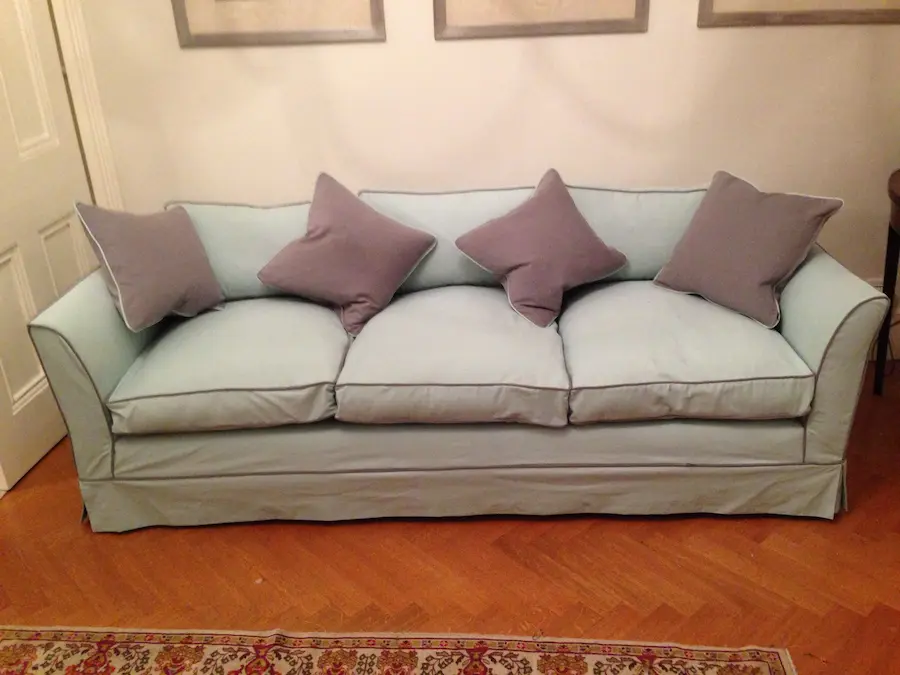
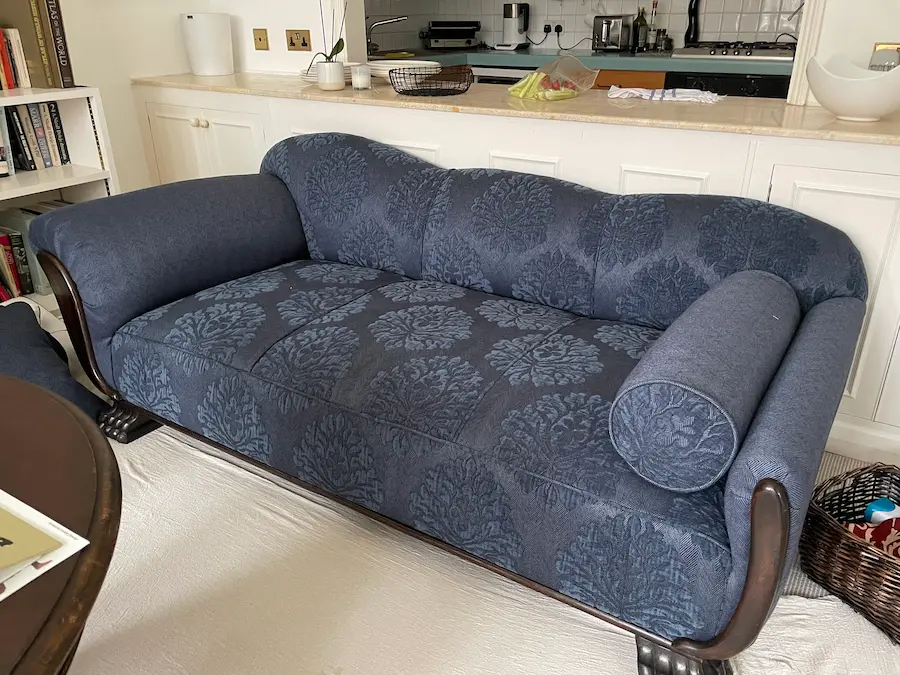
Sofas can also be reupholstered successfully, particularly if they are well made and comfortable. The decision depends on the frame, cushions, fabric quantity and cost. A high-quality sofa may be worth renewing, while a cheaper sofa may not justify the work.
Dining chairs are another good option. Seat pads and backs can often be refreshed to coordinate with a new dining room or kitchen scheme. This is particularly useful when the chair frames are still in good condition.
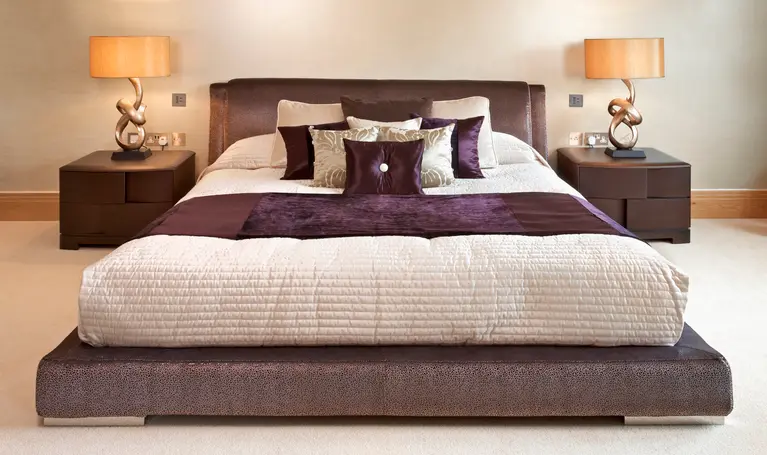
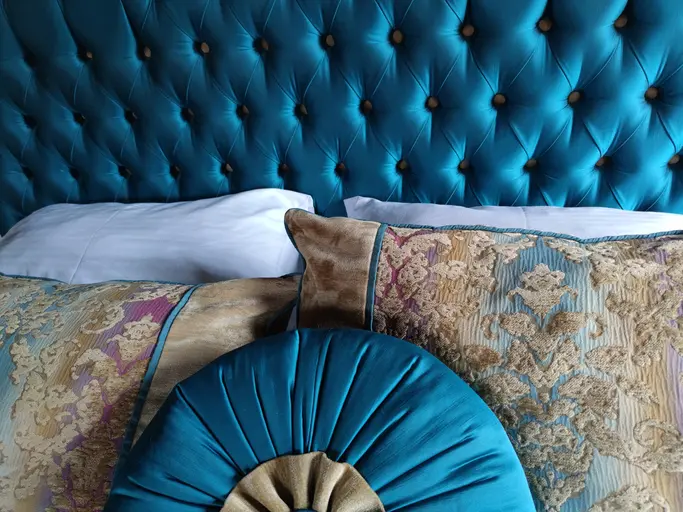
Headboards are excellent candidates for reupholstery. Updating the fabric can completely change the feel of a bedroom. A new colour, texture or padded finish can connect the bed with curtains, cushions, wall colour and bedding.
Benches, ottomans and stools can also be updated. These smaller pieces can introduce colour or texture into a room without changing the main furniture.
Reupholstery works particularly well for:
- Armchairs
- Sofas
- Dining chairs
- Footstools
- Ottomans
- Benches
- Headboards
- Window seats
- Occasional chairs
The more structurally sound and well proportioned the item is, the more likely reupholstery will be worthwhile.
How Reupholstery Supports Interior Design
Reupholstery can be a powerful interior design tool because it allows you to adapt existing furniture to a new scheme. Instead of working around a fabric that no longer suits the room, you can choose a material that connects with the overall design.
This is useful when redecorating. A sofa or chair may still be comfortable, but its colour may clash with new walls, curtains or flooring. Reupholstery allows the piece to stay while making it feel part of the updated room.
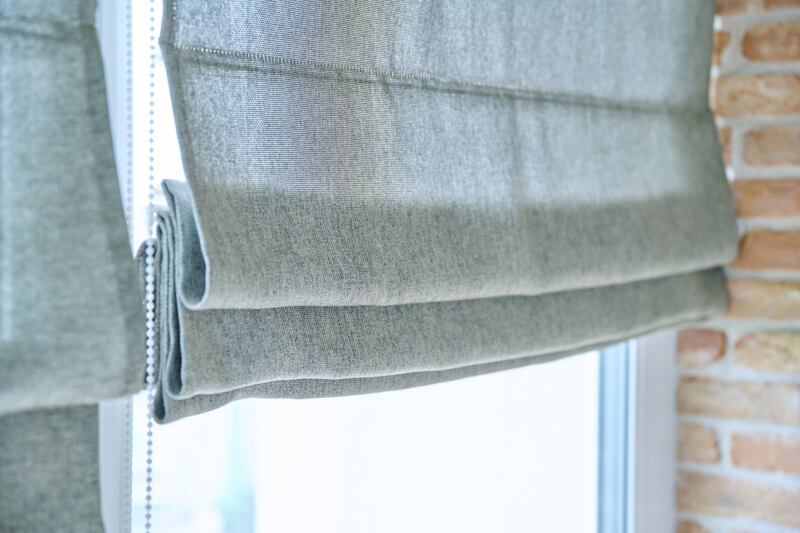
It can also help create a more cohesive home. For example, dining chairs might be upholstered in a fabric that picks up tones from nearby curtains. A headboard might echo the colour of a Roman blind. An armchair might introduce a textured contrast to a neutral sitting room.
Reupholstery can also make a room feel more bespoke. New mass-produced furniture is often limited to standard fabric choices. Reupholstery opens up a wider range of fabrics, trims, patterns and finishes, allowing the piece to feel more personal.
For homeowners who want a thoughtful, layered interior, reupholstery can help retain character while improving the overall finish.
Choosing Fabric for Reupholstered Furniture
Fabric choice is one of the most important parts of reupholstery. The fabric needs to look right, feel appropriate and perform well for the way the furniture will be used.
A decorative occasional chair may suit a more delicate or patterned fabric because it is not used constantly. A family sofa needs a more durable fabric that can handle regular sitting, movement and cleaning. Dining chairs may need a fabric that resists marks and is easy to maintain. A headboard can use a softer fabric because it generally receives lighter wear than a seat.
Texture is important too. Velvet can add richness and softness. Linen blends can feel relaxed and elegant. Wool blends can look tailored and warm. Textured weaves are often practical and forgiving. Patterned fabrics can add personality, but the scale of the pattern must suit the furniture shape.
When choosing fabric, consider:
- How often the furniture is used
- Whether children or pets use the room
- The colour palette of the space
- Whether the fabric needs to hide marks
- How much sunlight the piece receives
- Whether the style should be bold or subtle
- How the fabric works with curtains, blinds and cushions
A fabric may look beautiful as a small sample but feel very different across a full sofa or large headboard. It is important to consider scale, lighting and surrounding materials before deciding.
Is Reupholstery a Sustainable Choice?
Reupholstery can be a more sustainable choice than replacing furniture because it extends the life of an existing item. Instead of discarding a frame that may still be strong and usable, reupholstery refreshes it for continued use.
This reduces waste and can make better use of materials already in the home. It is particularly meaningful when the existing furniture is good quality. A solid frame may have many more years of life if the fabric and padding are renewed.
However, sustainability also depends on the materials chosen. Durable fabrics, quality workmanship and considered design all help ensure the reupholstered piece lasts. Choosing a fabric simply because it is fashionable may lead to another update sooner than necessary.
A timeless colour, practical texture and suitable fabric quality can make reupholstery more worthwhile over the long term. The goal is not just to reuse furniture, but to improve it in a way that remains useful and attractive.
Reupholstery for Sentimental Furniture
Sentimental furniture often carries meaning that new furniture cannot replace. A chair from a family home, a piece inherited from a relative or a sofa connected with a particular stage of life may still have emotional value even when the fabric is worn.
Reupholstery can allow these pieces to continue being used rather than stored away. It can preserve the shape and memory of the furniture while making it fit the current home.
The update can be sympathetic or transformative. Some people want to keep the original character, choosing a fabric similar to the existing one. Others prefer to reimagine the piece completely with a modern colour or bolder pattern.
Sentimental value should still be balanced with practical condition. If the frame is damaged, repairs may be needed before reupholstery. But when the structure is sound, updating meaningful furniture can be a satisfying way to combine memory with everyday use.
Common Signs Furniture Could Be Reupholstered
It is not always obvious whether furniture needs replacing or simply reupholstering. Some issues are surface-level, while others suggest deeper problems.
Furniture may be suitable for reupholstery if the fabric is worn but the piece still feels comfortable and stable. Fading, fraying, outdated colour, minor staining or flattened fabric can often be addressed through reupholstery.
Signs that reupholstery may be suitable include:
- The fabric is worn, faded or dated
- The frame still feels strong
- The seat remains comfortable
- The size works well in the room
- You still like the shape
- The furniture has sentimental or design value
- The piece is difficult to replace
- You want a more bespoke finish
Signs that replacement may be better include wobbling, broken frames, deep structural damage, poor comfort or a shape that no longer suits the room.
Frequently Asked Questions
Is reupholstery worth it for an old sofa?
Reupholstery can be worth it for an old sofa if the frame is strong, the sofa is comfortable and the size suits the room. If the sofa is low quality or structurally damaged, replacement may be more practical.
Can any chair be reupholstered?
Many chairs can be reupholstered, but the condition of the frame and the construction style matter. Dining chairs, armchairs and occasional chairs are often good candidates if they are stable and well made.
Is reupholstery always expensive?
Reupholstery costs vary depending on the size of the item, fabric choice and work required. It may cost more than buying a low-cost replacement, but it can offer better value when the existing furniture is high quality.
What fabric is best for reupholstery?
The best fabric depends on how the furniture is used. Durable woven fabrics, velvet, wool blends, linen blends and performance fabrics can all work well. Busy family spaces usually need more robust materials than decorative occasional pieces.
Can reupholstery change the style of furniture?
Yes, reupholstery can significantly change the look of furniture. A new fabric, colour, pattern or trim can make a traditional chair feel more contemporary or help a plain piece become a feature.
Summary
Reupholstery is often better than replacing furniture when the piece is well made, comfortable, meaningful or difficult to replace. It allows you to refresh the fabric, improve the finish and adapt the furniture to a new interior scheme without losing its original quality or character.
Replacement may be better when the structure is poor, the size is wrong or the furniture no longer suits the way you live. The best decision comes from considering quality, cost, comfort, design value and long-term use.
For tailored guidance on upholstery, fabric selection, headboards and bespoke interior finishes, Zenn Interiors can help you decide whether reupholstery is the right choice for your home and your wider design scheme.
Phone: 020 7871 3082
Email: zenninteriors@gmail.com
Find out more: https://zenninteriors.co.uk/