Luxury blinds can improve the look and feel of a room by bringing together light control, texture, privacy and visual balance. They are not simply a practical window covering. When chosen carefully, they can change how a space feels throughout the day, soften architectural lines, complement furniture and create a more considered interior scheme.
In many homes, windows are one of the largest visual features in a room. If they are dressed with blinds that feel flat, flimsy or poorly matched to the rest of the space, the whole room can feel unfinished. Luxury blinds offer a more tailored solution. They can help a living room feel calmer, a bedroom feel more restful, a dining space feel more polished or a home office feel more comfortable and focused.
The key difference lies in detail. Fabric quality, colour depth, lining, mechanism, fit and finish all affect the final result. A well-designed blind should look as though it belongs in the room rather than being added as an afterthought.
What Makes Luxury Blinds Different From Standard Blinds?
Standard blinds often focus mainly on function. They cover the window, provide some privacy and help control light. Luxury blinds do those things too, but with greater attention to proportion, materials, finish and long-term performance.
A luxury blind usually feels more refined because it has been considered as part of the wider interior. The fabric may have more depth, texture or softness. The hardware may be neater and smoother to operate. The fit may sit more comfortably within or around the window recess. The colour may be chosen to work with flooring, wall finishes, upholstery and decorative details.
This creates a more intentional result. Rather than simply blocking light, the blind becomes part of the room’s design language.
Luxury blinds may include:
- Higher quality fabrics with richer texture or better drape
- More precise measurements for a cleaner fit
- Better light control through lining or specialist fabric choices
- Smooth manual or electric operation
- A wider choice of finishes, colours and heading styles
- Greater durability for daily use
These details may seem small individually, but together they have a noticeable effect. A blind that sits neatly, operates smoothly and complements the room will usually look and feel more premium than a basic off-the-shelf option.
How Do Luxury Blinds Change the Atmosphere of a Room?
Light has a major impact on atmosphere. A bright room can feel open and energising, while a softly filtered room can feel calm and restful. Luxury blinds help shape that atmosphere by controlling how natural light enters the space.
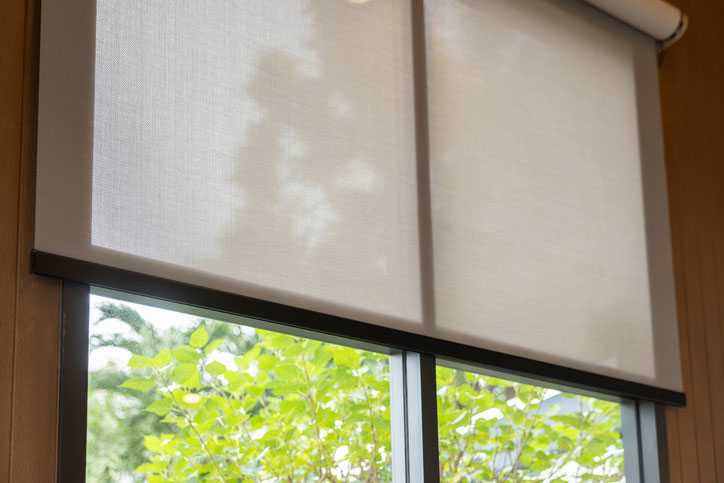
For example, a sheer or light-filtering blind can reduce glare without making the room feel dark. This is useful in living rooms, kitchens and home offices where you may want daylight but not harsh sun. In a bedroom, a more substantial blind or layered window treatment can create a softer, more enclosed feeling that supports rest.
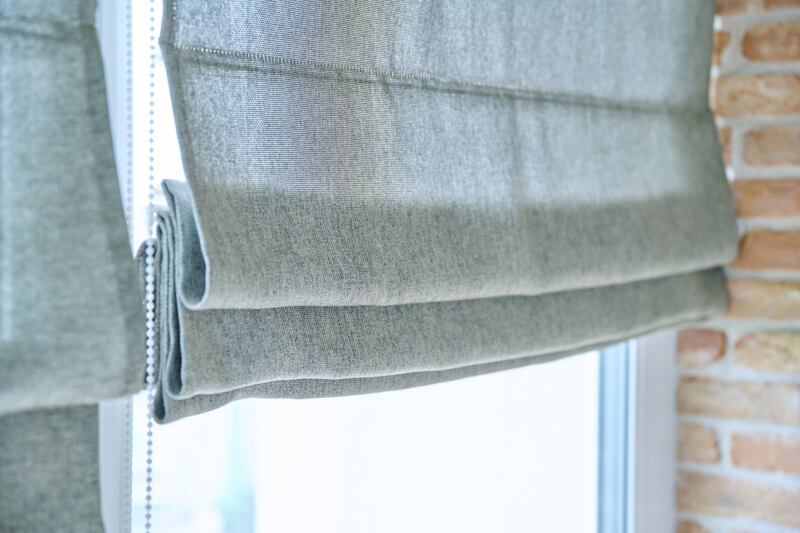
The atmosphere also depends on texture. A smooth roller blind can create a clean, contemporary look, while a Roman blind in a soft fabric can make a room feel warmer and more decorative. Wooden or faux wood Venetian blinds can add structure and rhythm, especially in rooms with natural materials, timber flooring or neutral palettes.
Luxury blinds can also reduce visual harshness. Bare windows can make a room feel exposed, particularly in the evening when the glass appears dark and reflective. A well-chosen blind adds softness and makes the space feel more comfortable and lived in.
Can Luxury Blinds Make a Room Feel More Spacious?
Luxury blinds can help a room feel more spacious when the style, colour and fit are chosen carefully. Window treatments affect how the eye reads the proportions of a room, so even a subtle change can alter the sense of space.
Blinds that fit neatly within the recess can create a clean, uncluttered look. This is especially useful in smaller rooms, narrow bedrooms, compact dining areas or home offices where bulky window dressings may feel too heavy. A blind that sits flush and uses a similar tone to the wall can help the window area feel calm and streamlined.
In some cases, a blind fitted outside the recess can make a window look larger, especially if it is positioned slightly above the frame. This can create the impression of more height. The right approach depends on the window shape, the room size and the desired style.
Colour also matters. Pale neutrals, soft greys, warm whites and gentle natural tones can help a room feel lighter. Darker blinds can look very elegant, but they usually create more contrast and visual weight. This can work beautifully in a spacious room or a dramatic bedroom scheme, but it needs to be balanced with the rest of the design.
The aim is not always to make the room look bigger. Sometimes the goal is to make it feel more intimate, grounded or luxurious. The best blind choice supports the feeling you want the room to have.
Why Fabric, Texture and Finish Matter
The fabric or material you choose can completely change the character of a room. Luxury blinds are often successful because they introduce the right level of texture without overwhelming the space.
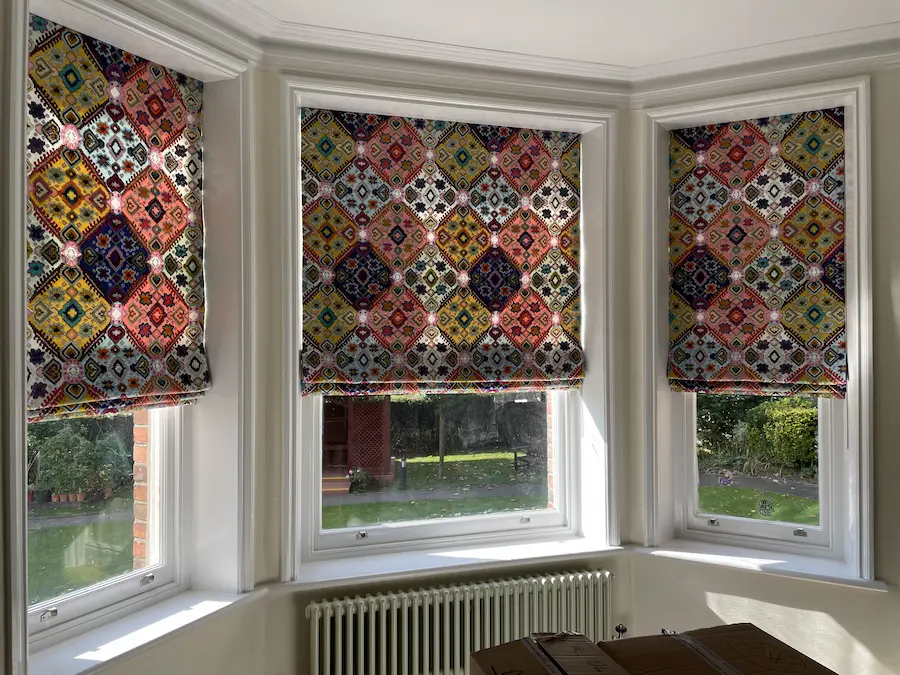
A plain fabric can feel calm and minimal, particularly in contemporary interiors. A woven fabric can add warmth and interest without relying on bold pattern. A subtle pattern can provide movement and personality while still feeling refined. For more traditional spaces, a soft Roman blind can introduce a sense of comfort and elegance.
Texture is particularly important in neutral interiors. If a room uses a quiet colour palette, the difference between a flat fabric and a woven or layered fabric can be significant. Texture stops the room from feeling plain and gives the design more depth.
The finish of the mechanism matters too. A luxury blind should not feel awkward or noisy to use. Cords, chains, tracks, cassettes or electric systems should be chosen to suit the room and the user. When the operating system feels smooth and discreet, the whole blind feels more polished.
How Luxury Blinds Improve Privacy
Privacy is one of the main reasons people choose blinds, but luxury blinds allow you to manage privacy in a more flexible and attractive way.
In a front-facing living room, you may want privacy from the street without losing daylight. Sheer blinds, Venetian blinds or layered solutions can help screen the room while still allowing natural light through. In a bedroom or bathroom, you may need a greater level of privacy, so a more opaque fabric or blackout option may be more suitable.
The benefit of a carefully chosen blind is that privacy does not have to mean closing the room off completely. Adjustable styles allow you to control the view in and out. This is especially useful in urban homes, overlooked gardens, flats, townhouses and properties with large glazed areas.
A luxury blind can also make privacy feel more elegant. Instead of using a purely functional covering, the window becomes part of the room’s finished design.
How Luxury Blinds Support Better Light Control
Different rooms need different types of light control. A kitchen may need glare reduction during the day. A bedroom may need darkness at night. A sitting room may need softer evening light. A home office may need screen-friendly daylight without reflections.
Luxury blinds make it easier to choose the right level of control for each space.
Blackout linings are useful for bedrooms, nurseries and media rooms. Light-filtering fabrics work well in spaces where you want to reduce glare but keep the room bright. Venetian blinds allow precise adjustment because the slats can be tilted throughout the day. Electric blinds can make light control more convenient, especially for large windows or hard-to-reach areas.
Good light control can also protect interiors. Strong sunlight can fade fabrics, flooring, artwork and furniture over time. Blinds can help reduce direct exposure while still keeping the room comfortable. This is particularly valuable in south-facing rooms or spaces with large windows.
Can Luxury Blinds Add Value to an Interior Scheme?
Luxury blinds can add value to an interior scheme because they make the room feel complete. They act as a finishing layer, similar to rugs, cushions, lighting and artwork. Without the right window treatment, even a well-furnished room can feel unfinished.
This does not mean the blinds need to be dramatic. In many cases, the most successful designs are understated. A beautifully fitted neutral blind can quietly pull the room together, allowing other elements to stand out. In a bolder scheme, the blind may introduce pattern, colour or contrast.
Luxury blinds can also create consistency across a home. For example, using a similar blind style in connected spaces can help the property feel more cohesive. This is useful in open-plan areas, hallways, bedrooms and properties where several rooms are visible from one another.
A well-considered blind helps connect the window to the rest of the room. It can echo the tone of upholstery, soften the contrast with wall colour or add a material detail that complements flooring or furniture.
Choosing the Right Blind for Different Rooms
The best luxury blind depends on how the room is used. A beautiful fabric is important, but it also needs to suit everyday life.
In a living room, Roman blinds, sheer blinds or Venetian blinds can create a refined look while allowing flexible light control. In a bedroom, blackout or lined blinds can support comfort and privacy. In a kitchen, easy-clean or moisture-resistant materials may be more practical. In a home office, glare reduction and easy adjustment are often more important than complete darkness.
A child’s bedroom may need practical fabrics, safe operation and reliable light control. A guest bedroom may benefit from a softer, more decorative finish that makes the space feel welcoming. A dining room might suit a blind with more texture or elegance, particularly if the room is used for entertaining.
The most effective choice balances appearance with function. A blind should suit the way the room is used, not just how it looks in a sample book.
Are Luxury Blinds Practical for Everyday Homes?
Luxury blinds are not only for show homes or large properties. They can be very practical in everyday homes because they are tailored to the specific room and window.
A made-to-measure approach can avoid common issues such as gaps, poor fit, awkward operation or fabrics that do not suit the light levels. Better materials can also improve durability, which is important for blinds that are opened and closed every day.
Practicality can include:
- Easier light adjustment
- Improved privacy
- Better insulation when the right fabrics or systems are used
- Cleaner window presentation
- Reduced glare
- A more comfortable room throughout the day
Electric options can also improve practicality. They are useful for tall windows, wide glazing, rooflights and rooms where several blinds need to be adjusted together. They can also create a cleaner look where cords or chains would interrupt the design.
The important point is that luxury should not make a room harder to live in. The best blinds improve the experience of using the space as well as the way it looks.
How to Choose Luxury Blinds That Suit Your Interior
Choosing luxury blinds starts with the room, not the product. Before deciding on a style, think about what the space needs.
Ask yourself how much privacy is required, how much daylight you want to keep, whether glare is a problem and whether the room should feel calm, formal, cosy or bright. Consider the colour of the walls, the tone of the flooring, the style of the furniture and the level of softness already in the room.
For example, a room with lots of hard surfaces may benefit from a softer fabric blind. A room with heavy curtains may need a simpler blind underneath. A very minimal room may suit a clean roller or cassette blind. A traditional bedroom may feel more complete with a lined Roman blind.
Samples are especially useful because fabrics can look different depending on the time of day. A fabric that appears warm in morning light may look much cooler in the evening. Testing colours and textures against the existing scheme helps avoid costly mismatches.
Frequently Asked Questions
Are luxury blinds worth it?
Luxury blinds can be worth it if you want a better fit, smoother operation, more refined materials and a window treatment that feels integrated with the room. They are especially valuable in rooms where the window is a major design feature or where light control and privacy really matter.
Which rooms benefit most from luxury blinds?
Bedrooms, living rooms, dining rooms and home offices often benefit most because these spaces rely heavily on atmosphere, comfort and light control. However, luxury blinds can also work well in kitchens, bathrooms and open-plan spaces when the right materials are chosen.
Do luxury blinds have to be made to measure?
Made-to-measure blinds usually provide the best result because they are created for the exact window size and room requirements. This helps avoid gaps, uneven proportions and awkward fitting issues. It also gives more freedom over fabric, finish and operation.
Can blinds be combined with curtains?
Yes, blinds and curtains can work beautifully together. Blinds can provide privacy and light control, while curtains add softness, warmth and a more decorative finish. This layered approach is often used in bedrooms, sitting rooms and formal living spaces.
What colour blinds are best for a calm interior?
Soft neutrals, warm whites, taupe, stone, pale grey and natural woven tones often work well in calm interiors. The best choice depends on the wall colour, flooring, furniture and the amount of natural light in the room.
Summary
Luxury blinds improve a room by doing more than simply covering the window. They influence light, privacy, texture, comfort and the overall sense of finish. The right blind can make a room feel calmer, more spacious, more elegant or more practical, depending on the design goal.
The most successful choices are those that consider both appearance and daily use. Fabric, colour, lining, fit and operation all matter. When these details are handled carefully, blinds become a natural part of the interior rather than a separate functional addition.
For thoughtful guidance on blinds, curtains and bespoke interior finishes, Zenn Interiors can help create a window treatment approach that suits your home, your style and the way each room is used.
Phone: 020 7871 3082
Email: zenninteriors@gmail.com
Find out more: https://zenninteriors.co.uk/