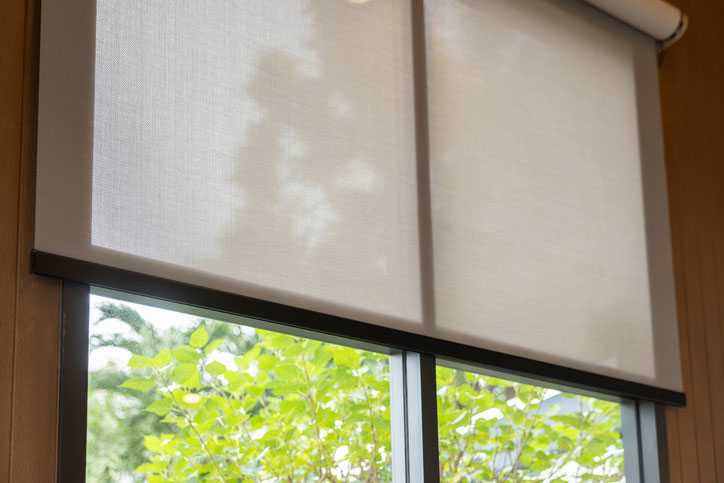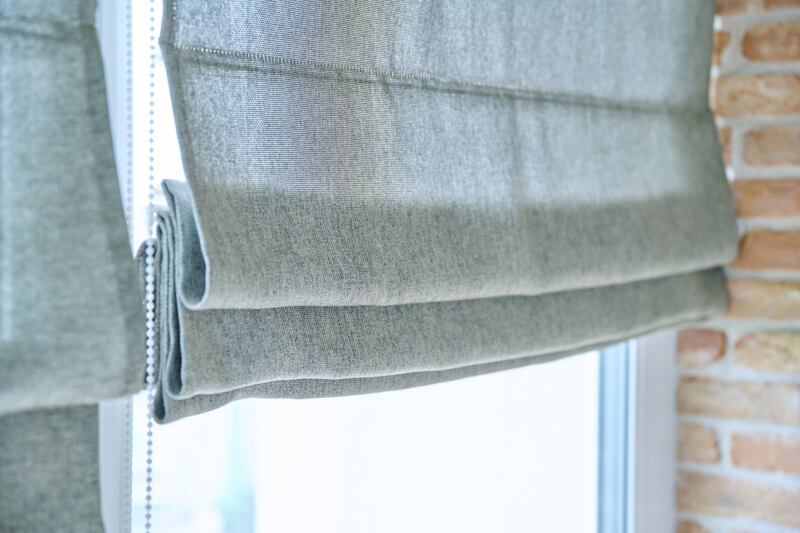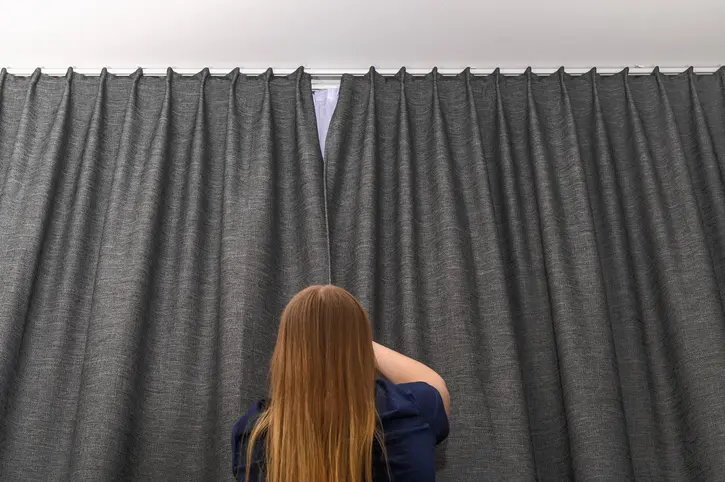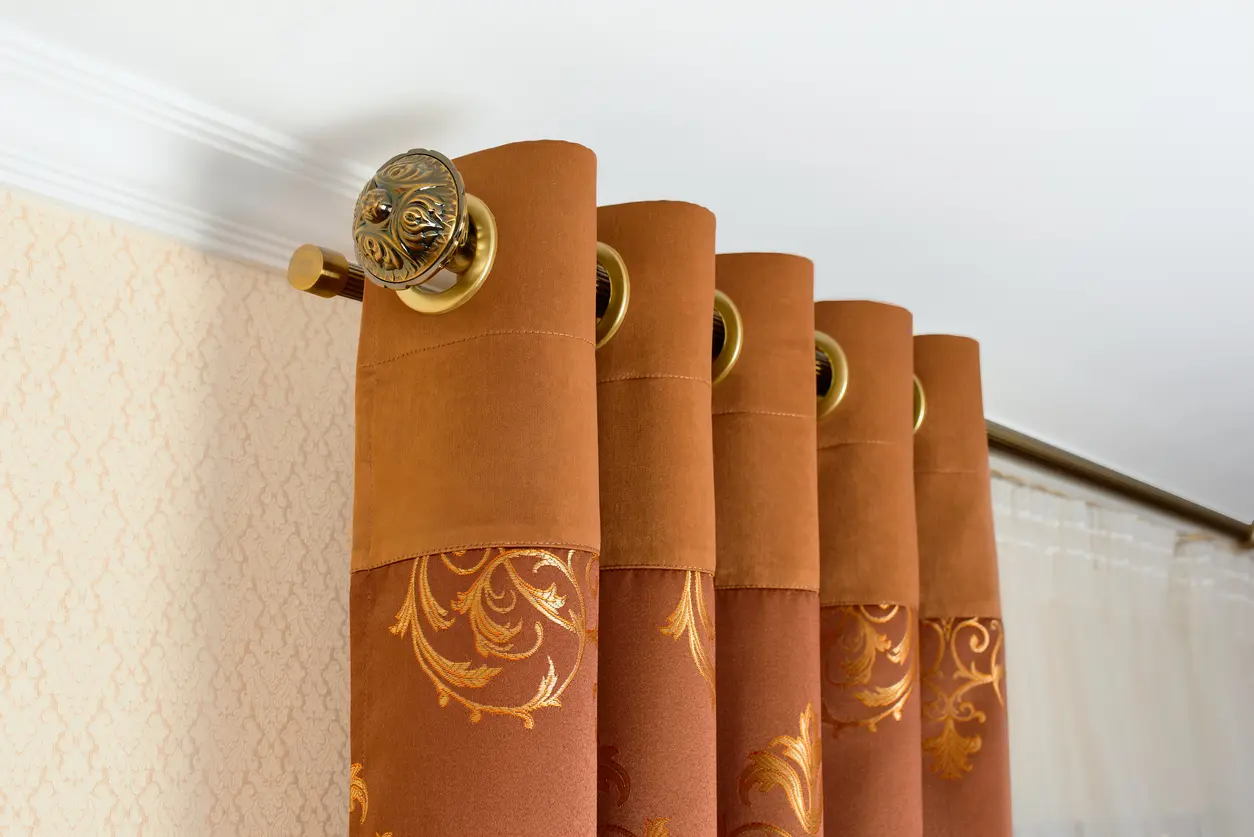
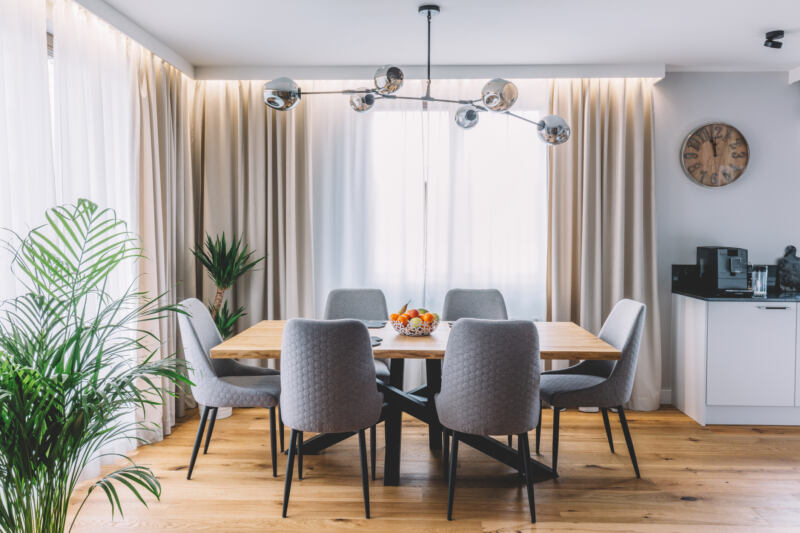
Living room curtain ideas play a key role in shaping how a space feels and functions. Curtains are not just decorative additions. They influence light, privacy, acoustics and the overall atmosphere of the room.
Choosing the right curtains for your living room can elevate the entire interior, helping to create a space that feels balanced, comfortable and visually cohesive.
How Curtains Influence a Living Room
Curtains are often one of the largest visual elements in a living room, which means they have a significant impact on the overall design.
They can:
- Frame windows and highlight architectural features
- Add softness to balance harder surfaces like flooring and furniture
- Control natural light throughout the day
- Improve privacy without compromising style
A well-considered curtain choice supports both aesthetics and practicality.
Choosing the Right Curtain Style
The style of curtain you choose should reflect both the design of the room and how the space is used.
Full-Length Curtains
Full-length curtains are a popular choice for living rooms.
They help to:
- Create a sense of height
- Add elegance and structure
- Provide better insulation
Layered Curtains
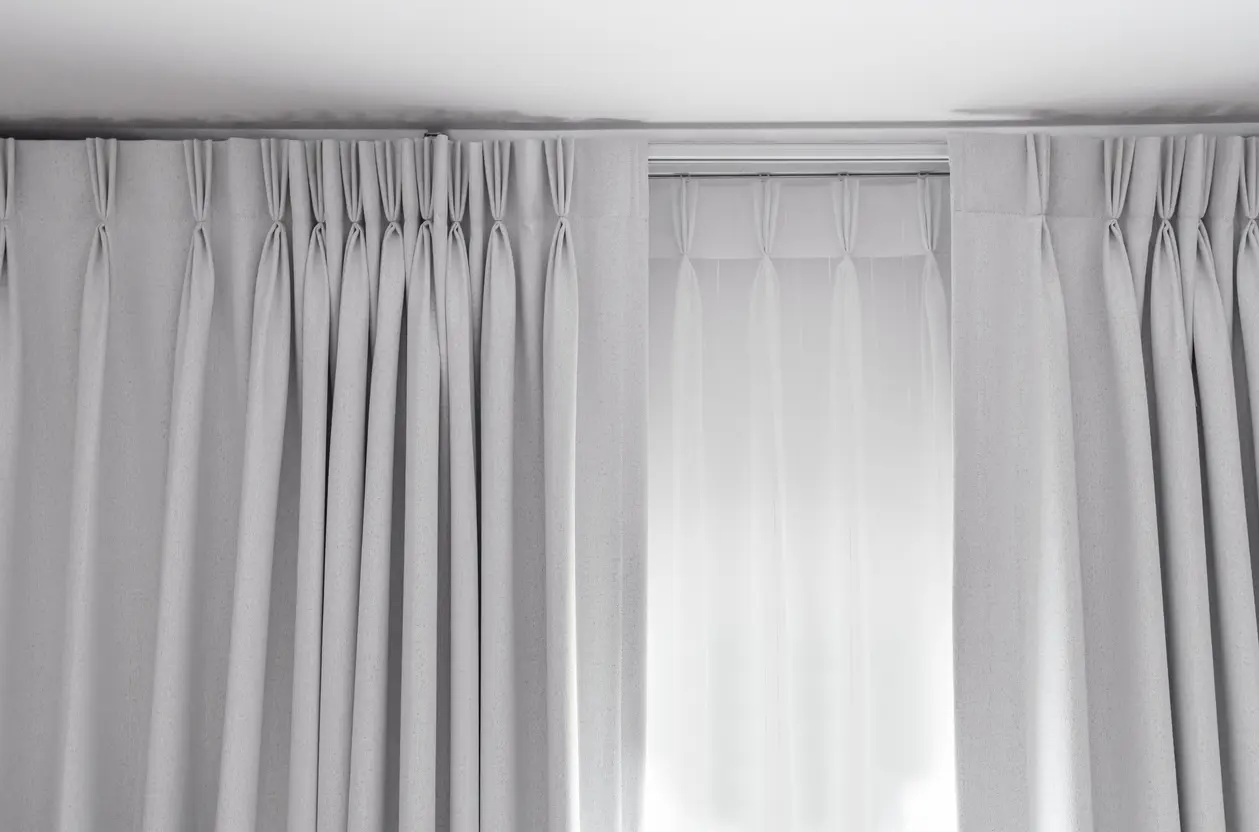
Layering combines different types of curtains for flexibility.
Sheer curtains for daytime light
Heavier curtains for privacy and warmth
This approach works particularly well in rooms that are used throughout the day and evening.
Minimalist Panels
For a more contemporary look:
- Use simple, clean-lined panels
- Avoid excessive gathering
- Focus on subtle textures and neutral tones
Light vs Privacy: Finding the Balance
Balancing natural light and privacy is one of the most important considerations in living room design.
Daytime Requirements
Maximise natural light
Maintain a sense of openness
Avoid heavy, light-blocking fabrics
Evening Requirements
Increase privacy
Reduce glare from external lighting
Create a more enclosed, comfortable atmosphere
Real-World Scenario
In a street-facing living room, sheer curtains can soften daylight while maintaining privacy during the day. In the evening, heavier curtains can be drawn to create a more intimate and relaxed setting.
Fabric Choices and Their Impact
The fabric you choose will determine how the curtains behave and how the room feels.
Lightweight Fabrics
Linen or cotton blends
Allow natural light to filter through
Create a relaxed, airy look
Heavier Fabrics
Velvet or thick woven materials
Improve insulation
Add depth and a more formal feel
Texture and Pattern
Subtle textures add interest without overwhelming the space
Patterns can be used to create a focal point but should be balanced carefully
Matching Curtains with Furniture and Walls
Curtains should feel integrated into the room rather than separate from it.
Colour Coordination
Match tones with existing furnishings for cohesion
Use contrast to highlight windows as a feature
Avoid clashing colours that disrupt the design
Proportion and Scale
Larger rooms can handle heavier fabrics and bold designs
Smaller rooms benefit from lighter materials and simpler styles
Common Mistakes to Avoid
Curtains can quickly undermine a well-designed living room if not chosen carefully.
Hanging curtains too low above the window
Choosing curtains that are too short
Using fabric that is too heavy for the space
Ignoring how curtains interact with furniture placement
Avoiding these mistakes ensures the curtains enhance rather than detract from the room.
Good vs Better vs Best Living Room Curtain Ideas
Good
Ready-made curtains
Basic functionality
Limited design impact
Better
Semi-custom curtains with improved fabric choices
More cohesive appearance
Best
Made to measure curtains tailored to the room
Precise fit and high-quality materials
Strong design integration
What Happens If Curtains Are Chosen Poorly?
Poor curtain choices can:
- Make the room feel darker or smaller
- Disrupt the overall design balance
- Reduce comfort and usability
In contrast, well-chosen curtains enhance both the visual and practical aspects of the space.
FAQs
Q1: What are the best curtain styles for a living room?
Full-length and layered curtains are often the most effective, offering both style and flexibility.
Q2: Should living room curtains be light or heavy?
It depends on the space. Lighter fabrics suit bright rooms, while heavier fabrics provide insulation and privacy.
Q3: How do curtains change the look of a room?
They can influence light, proportions and colour balance, making a significant impact on the overall design.
Q4: How do I match curtains with furniture?
Choose colours and textures that complement existing elements without overpowering them.
Q5: Are made to measure curtains worth it?
Yes, they provide a better fit and allow for more precise design choices.
Summary
Living room curtain ideas should always balance design and functionality. From fabric selection to installation height, every detail contributes to how the space feels and performs.
By choosing curtains that complement your room’s layout, lighting and style, you can create a living space that feels both inviting and well considered.
If you are looking to refine your living room curtain ideas, the right curtain choice can make a meaningful difference to both comfort and appearance.
Phone: 020 7871 3082
Email: zenninteriors@gmail.com
Find out more: https://zenninteriors.co.uk/